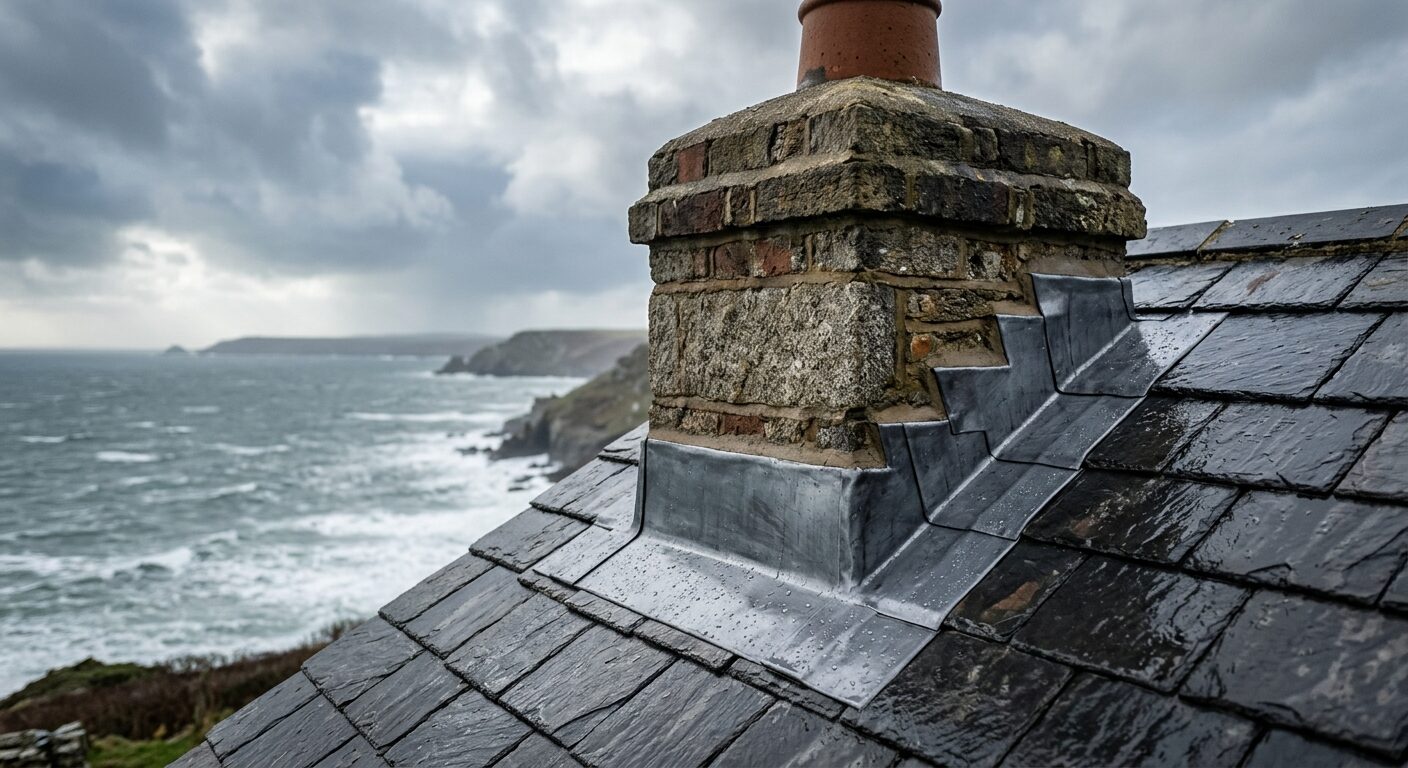
Living in the South West means you’re no stranger to a bit of weather. Those dramatic storms, while beautiful, can really put your home through its paces. One area that often takes a battering, and can lead to damp patches appearing inside, is the chimney. It’s not just about the rain hitting the top; it’s about how water gets in around the base where it meets the roof. This is where good quality lead flashing comes into play, and why getting your chimney lead flashing repairs in the South West done right is so important.
Key Takeaways
- Chimney leaks often stem from more than just worn-out flashing; underlying structural issues like degraded mortar and masonry are common culprits.
- Repairs focusing solely on flashing can be a temporary fix, as water can bypass new metalwork if the surrounding brickwork or joints are compromised.
- The harsh weather conditions typical of the South West demand superior protection, making robust Code 5 lead flashing a vital standard for durability.
- Addressing structural weaknesses, such as crumbling mortar or brick fatigue, is more effective for long-term chimney health than repeated superficial repairs.
- Regular maintenance checks and choosing the right materials for chimney lead flashing repairs in the South West are proactive steps to prevent costly future damage.
Understanding The Root Causes Of Chimney Leaks
It might seem straightforward – a bit of water coming in means the flashing around the chimney needs looking at, right? Well, often it’s not quite that simple. A leaking chimney can be a bit of a mystery, and just replacing the flashing might not sort it out for good. Sometimes, the real problems are hiding away, out of sight.
Hidden Factors Beyond Visible Flashing
Think of your chimney like an old building. Over the years, the bricks and the mortar holding them together can start to wear down. This isn’t always obvious from the outside. Tiny cracks can form, or the mortar can become powdery and weak, especially deep inside. Water can then find its way through these hidden weak spots, even if the flashing looks perfectly fine. It’s like having a brand-new waterproof coat but with holes in your jumper underneath – the coat can only do so much. This is why, according to some industry figures, over 60% of chimney leaks come back within three years if only the flashing is replaced. It’s a bit of a cycle that costs more in the long run.
The Inadequacy Of Flashing-Only Repairs
So, why isn’t just fixing the flashing enough? Well, flashing is the barrier where the chimney meets the roof, and it’s designed to stop water getting in. But if the bricks or mortar above or around that flashing have started to crumble or crack, water can still get in. It might run down the brickwork and find a way past the flashing from a different angle, or even seep through the wall itself. It’s a bit like trying to fix a leaky boat by just patching the hull – if the rivets are loose, water will still find a way in. We’ve seen it time and again where a quick flashing fix doesn’t last because the underlying structure is still letting water through. It’s often the case that the real issue is with the chimney stack itself and not just the metalwork.
How Structural Deterioration Undermines Chimneys
Chimneys are exposed to everything the weather throws at them, year after year. Rain, wind, frost, and even the sun can take their toll. Over time, this constant exposure causes the materials to degrade. Mortar can lose its strength, becoming brittle and crumbly. Bricks can start to spall, which is when small pieces flake off. These aren’t usually big, obvious problems at first. They’re small, slow changes that create tiny pathways for water. Imagine a sponge slowly getting more porous – it holds less water and lets more through. This gradual breakdown means that even a well-built chimney can start to leak if these structural issues aren’t addressed. It’s not just about the flashing; it’s about the whole chimney being sound.
It’s easy to focus on the visible signs of a leak, like water stains or damp patches. However, the real cause is often hidden within the chimney’s structure, where materials have slowly weakened over time due to weather and age. Addressing these underlying issues is key to a lasting solution.
The Critical Role Of Code 5 Lead Flashing In Storm-Prone Regions
Why South West Storms Demand Superior Protection
The South West of the UK is no stranger to a bit of weather, is it? We’re talking serious wind and rain that can really batter your home. When it comes to your chimney, these storms are a major weak spot. Water finds its way into the smallest cracks, and if your flashing isn’t up to scratch, you’re asking for trouble. Standard flashing might hold up for a while, but the relentless downpours and strong gusts we get here can quickly expose any weaknesses. It’s not just about keeping the rain out; it’s about stopping wind-driven water from being forced into your roof space and around your chimney stack.
Code 5 Lead: A Standard For Durability
This is where Code 5 lead flashing really comes into its own. It’s not just some random bit of metal; it’s a specific standard designed for a reason. Lead is a fantastic material for this job because it’s heavy, flexible, and incredibly durable. It can be shaped to fit perfectly around the contours of your chimney and roof, creating a really solid barrier. Unlike some other metals that can become brittle over time or corrode, lead tends to last for decades with minimal fuss. Code 5 refers to a specific thickness and quality of lead, making it a reliable choice for areas that experience harsh weather. It’s the kind of material that professionals recommend because they know it works, and it keeps working, year after year.
Preventing Future Leaks With Robust Flashing
Think of your flashing as the first line of defence for your chimney. If that defence is weak, everything else is at risk. Using Code 5 lead means you’re investing in a solution that’s built to last. It properly seals the joint between your chimney and your roof, which is where most leaks start. This stops water from getting under your tiles, into your roof timbers, or even down into your living space. It’s about being proactive. Instead of waiting for a leak to appear and then dealing with the costly repairs, fitting good quality flashing means you’re preventing the problem before it even has a chance to start. It’s a simple step that makes a massive difference to the long-term health of your home.
Beyond The Surface: Addressing Underlying Chimney Issues
Sometimes, a leaky chimney isn’t just about the flashing. It’s easy to focus on the metal bits where the chimney meets the roof, especially after a storm, but often the real problems are hiding deeper. Think of it like a toothache – you might feel the pain in your jaw, but the issue is often inside the tooth itself.
Mortar Degradation and Masonry Fatigue
Over years, the mortar holding your chimney bricks together can start to crumble. This isn’t always obvious from the ground. Tiny cracks can form, letting water seep in. Bricks themselves can also get tired, especially older, softer ones. They can absorb water and then, when it freezes, the water expands, making the brick weaker. This slow decay means water can find its way into your home even if the flashing looks okay. It’s a bit like how old grout in a bathroom can start to let water through, even if the tiles are fine.
The Dangers Of Historic Repair Layering
People often try to fix chimney leaks with quick patches. They might add new flashing over old, or use a cement-based mortar on top of a lime-based one. This layering might seem like a good idea at the time, but it can actually trap moisture. Different materials expand and contract at different rates, and using the wrong type can cause more damage than it prevents. It’s like putting a plaster over a wound that needs proper cleaning and stitching – it hides the problem but doesn’t fix it.
Environmental Pressures On Chimney Integrity
Our weather, especially here in the South West, is tough on buildings. Constant wind and rain, particularly from the south and west, batter chimneys. Then there’s the freeze-thaw cycle in winter. Water gets into tiny cracks, freezes, expands, and makes the cracks bigger. This happens year after year. If your chimney is also exposed to pollution or salt from the coast, it can speed up the decay even more. It’s a constant battle against the elements, and your chimney needs to be built to withstand it.
The real cost of a chimney leak isn’t just the bucket you put out to catch the drips. It’s the hidden damage to your roof timbers, the potential for mould growth in your loft, and the gradual weakening of the chimney structure itself. Ignoring these underlying issues means you’re likely to face the same problem again and again, costing you more in the long run.
Here’s a look at how different factors can affect your chimney:
| Environmental Factor | Risk Level | Potential Impact |
|---|---|---|
| Wind-driven rain (SW exposure) | High | Accelerated mortar erosion, water ingress |
| Freeze-thaw cycles | Medium | Brick spalling, crack propagation |
| Coastal salt spray | Medium | Chemical attack on mortar and brick |
| Internal flue condensation | Low-Medium | Soot staining, potential flue liner damage |
Addressing these deeper issues is key to preventing future leaks and keeping your chimney in good shape. It’s about looking at the whole picture, not just the most obvious part. For expert advice on domestic roofing services in Devon and Cornwall, consider professionals who look beyond the surface.
Ensuring Long-Term Chimney Health Through Comprehensive Solutions
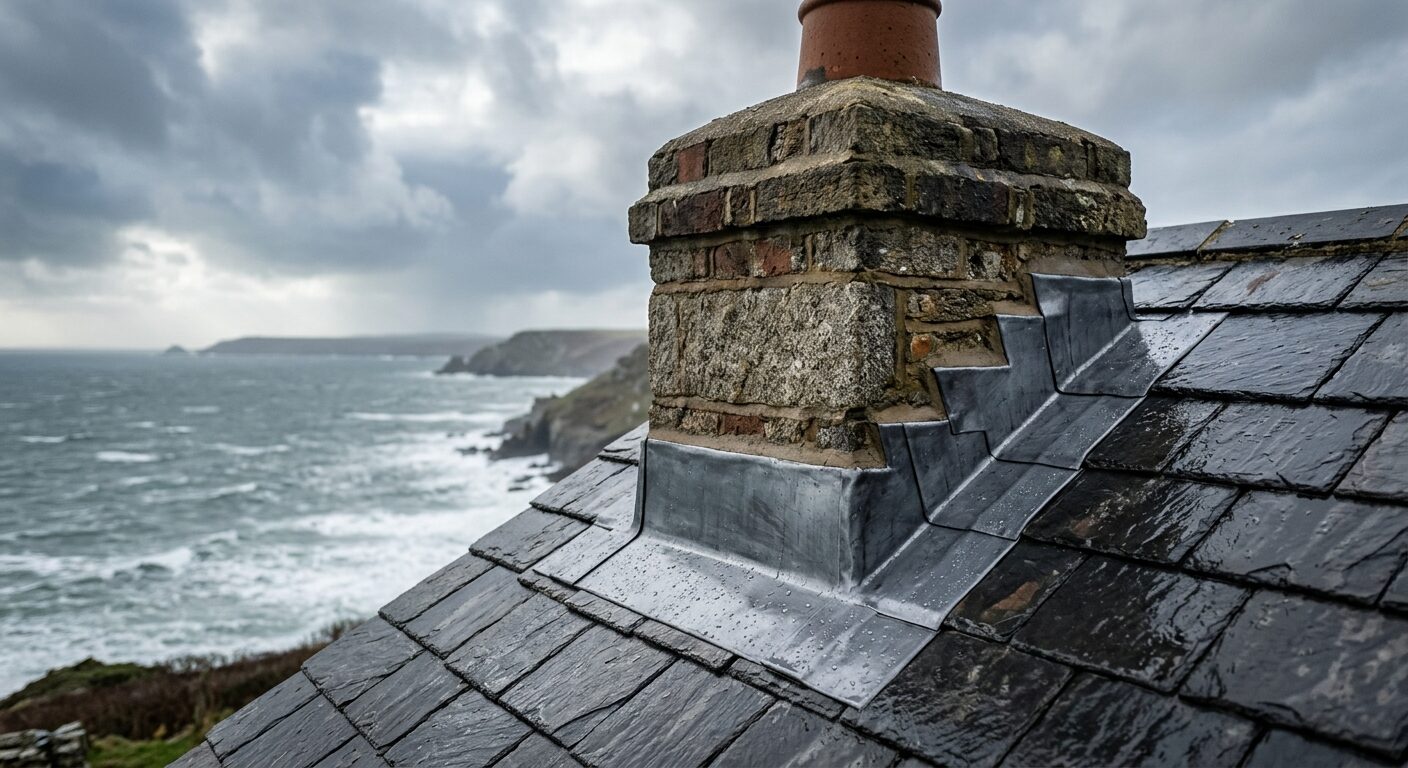
Look, nobody wants to be dealing with a leaky chimney, right? It’s a real pain. You fix one bit, and then another problem pops up. It feels like a never-ending cycle, and honestly, it can get pretty expensive. That’s why thinking about the whole chimney, not just one part, is so important for keeping it healthy for years to come.
Why Structural Repairs Trump Superficial Fixes
It’s tempting to go for the quick fix, isn’t it? Just patching up the flashing might seem like the easiest route. But here’s the thing: if the bricks are crumbling or the mortar is shot, the flashing isn’t going to hold up for long. It’s like putting a new roof on a house with rotten foundations – it just won’t last. Proper structural repairs get to the heart of the problem. They involve rebuilding weakened sections, repointing crumbling mortar, and making sure the whole structure is sound before any new flashing is even considered. This approach tackles the root cause, not just the symptom.
The Costly Cycle Of Repeated Repairs
Constantly patching up a chimney that has underlying issues is a false economy. You might spend a bit less each time, but you’re doing it much more often. Think about it: a flashing repair might last a year or two, especially with the rough weather we get down here. Then you’re back to square one, paying out again. A full structural repair, while costing more upfront, can last for decades. It’s about investing in a lasting solution rather than throwing money at a problem that keeps coming back. It’s about getting certainty, not just a temporary reprieve.
Achieving Certainty With Full-Spectrum Diagnostics
So, how do you know what needs doing? You can’t just guess. That’s where proper diagnostics come in. Instead of just looking at the obvious bits, a thorough check looks at everything. This includes checking the mortar, the bricks, the crown, and the flashing, of course. Sometimes, they even use special tools to see inside or check for moisture you can’t see. This kind of detailed assessment means you get a clear picture of the chimney’s condition and a plan that actually fixes the problem for good. It’s about getting a professional opinion based on solid evidence, like the kind you’d get from a specialist roofer in Devon.
A chimney is a complex system, and treating it as such is key to avoiding recurring problems. Ignoring structural weaknesses while focusing solely on visible leaks is a recipe for repeated, costly interventions. True long-term health comes from addressing the entire structure, from its base to its cap.
Here’s a quick look at what you might expect:
- Flashing-only repairs: Often a short-term fix, typically lasting 1-2 years. While cheaper initially, the risk of leaks returning is high.
- Structural repairs with new flashing: A more involved process, but offers longevity, often 8-20+ years. This significantly reduces the chance of future leaks.
Choosing the right approach means looking beyond the immediate cost and considering the long-term value and peace of mind it provides. It’s about making sure your chimney can handle whatever the South West throws at it.
Proactive Measures For Chimney Lead Flashing Repairs South West
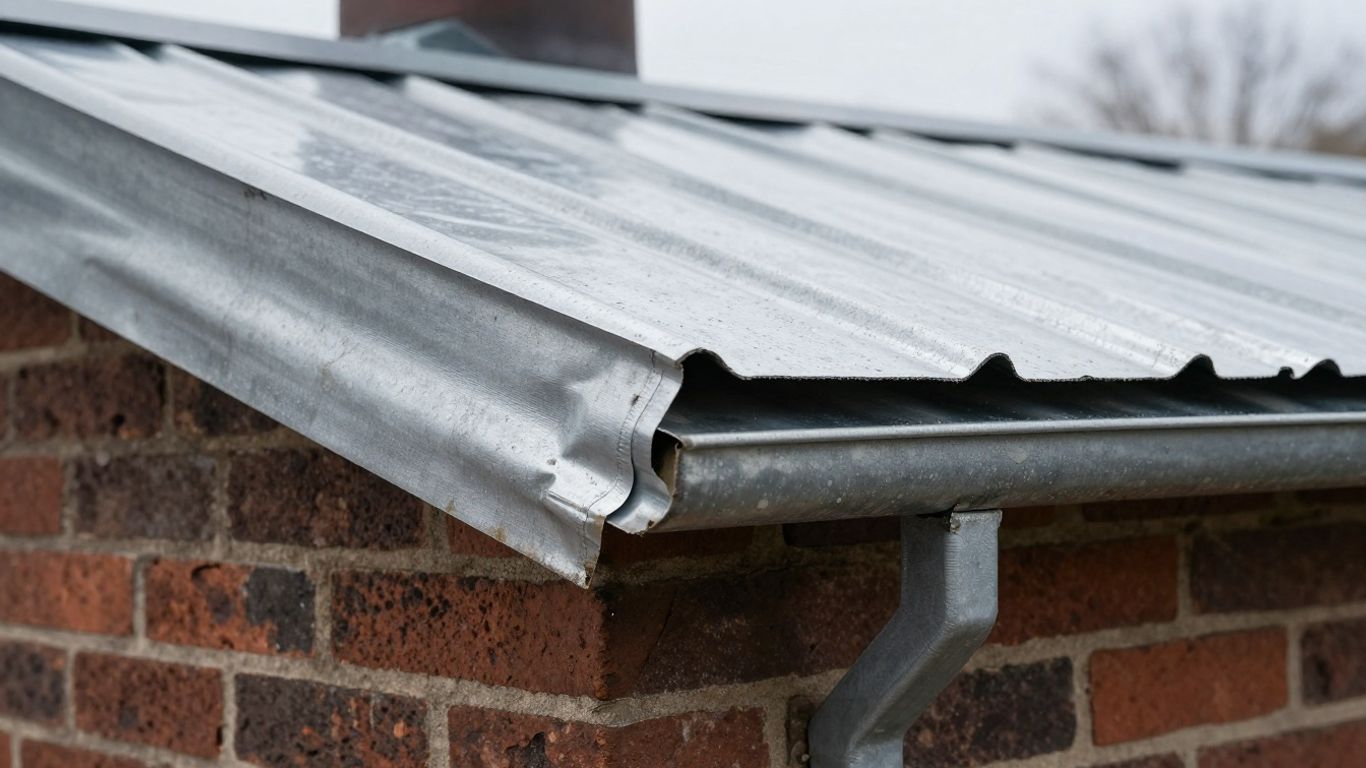
Right then, let’s talk about keeping your chimney in tip-top shape, especially if you’re living in the South West where the weather can really give things a battering. It’s easy to just think about repairs when something’s gone wrong, but honestly, being a bit ahead of the game makes a massive difference. It’s not just about fixing leaks when they appear; it’s about stopping them before they even start.
Anticipating Weather’s Impact On Your Chimney
The South West coast, with its strong winds and driving rain, puts a real strain on chimneys. That lead flashing, which is supposed to be your first line of defence, can get a proper workout. We’re talking about wind-driven rain that can get into places you wouldn’t expect, and the constant dampness that can lead to all sorts of problems if not managed. Think about how often you see those dramatic storm clouds rolling in – your chimney is right there, taking it all.
The Importance Of Regular Maintenance Checks
This is where being proactive really pays off. You don’t want to wait for a drip in the bedroom ceiling, do you? A good plan involves regular checks. For most homes, a look-over once a year is a good start, but if your chimney is older, or has had issues before, you might want to get it checked more often, especially after a particularly rough spell of weather. It’s like taking your car for its MOT – better to catch a small issue before it becomes a big, expensive one.
Here’s a rough guide:
- Annual Inspection: A good visual check of the chimney stack, pots, and the lead flashing. Look for any obvious signs of damage, loose bits, or vegetation growth.
- Post-Storm Check: After any significant storm, it’s wise to do a quick visual inspection. Did anything look like it shifted?
- Professional Survey (Every 2-3 Years): For a more in-depth look, especially if you’re noticing damp or suspect issues, bring in a professional. They have the tools to spot things you might miss.
Choosing The Right Materials For Lasting Protection
When it comes to repairs, especially for the flashing, using the right stuff is key. We’re talking about Code 5 lead here, as mentioned before. It’s a proper standard for a reason – it’s durable and designed to handle the kind of weather we get. Trying to cut corners with cheaper, less robust materials might save a bit of cash upfront, but it’s a false economy. You’ll likely be calling someone out again in a year or two.
The difference between a quick fix and a lasting solution often comes down to the quality of materials and the thoroughness of the work. Don’t let a short-term saving lead to long-term headaches and repeated expenses.
Think of it this way: a well-maintained chimney with good quality flashing isn’t just about preventing leaks; it’s about protecting the whole structure of your home and keeping your insurance valid. It’s a small investment for a lot of peace of mind, especially when those South West storms roll in.
Is your chimney flashing looking a bit worn out? Keeping it in good shape is super important to stop leaks and protect your home. We can help sort out any issues with lead flashing around your chimney, making sure everything is sealed up tight. Don’t wait for a small problem to become a big one! Visit our website today to learn more about how we can help keep your roof in top condition.
Don’t Let Storms Catch You Out
So, there you have it. While lead flashing, especially the good stuff like Code 5, is a proper shield against the worst of the South West’s weather, it’s not the whole story. Think of it as the final bit of defence, but it needs a solid foundation. If the brickwork or mortar underneath is crumbling, even the best flashing will eventually let you down. It’s always worth getting a proper look at the whole chimney, not just the bits you can see. A bit of foresight now, checking for those hidden issues, can save you a massive headache and a hefty bill down the line when the next big storm hits. Don’t wait for the drip, drip, drip to start – get it checked out.
Frequently Asked Questions
What hidden problems can cause my chimney to leak, even with new flashing?
Even if your flashing looks new, leaks can still happen because of hidden issues deeper inside your chimney. Think of things like cracks in the bricks or mortar that have become weak over time. Water can sneak through these tiny openings, bypassing the flashing. It’s like having a new collar on a leaky bucket – the collar looks good, but the bucket itself has holes.
Why aren’t repairs that only fix the flashing enough to stop leaks for good?
Fixing only the flashing is like putting a plaster on a broken bone. The flashing is just one part of the system. If the bricks or mortar around it are crumbling or have moved, water will find another way in. These ‘quick fixes’ often don’t last, and you end up paying again and again for the same problem.
How does the general wear and tear of weather damage a chimney?
Over many years, chimneys face a lot from the weather. Rain, wind, and even changes in temperature cause tiny cracks to form and grow. Water can get trapped in these cracks, and when it freezes, it expands, making the cracks bigger. This slow damage weakens the chimney structure, making it more likely to leak.
What’s the difference between a quick flashing repair and a proper structural fix?
A quick flashing repair just replaces the metal around the chimney. A proper structural fix looks at the whole chimney – the bricks, the mortar, and the flashing. It fixes any underlying problems, like weak mortar or cracked bricks, ensuring the entire chimney is sound and waterproof for the long term.
Why is it more expensive in the long run to just keep patching up flashing issues?
Constantly replacing just the flashing might seem cheaper at first, but it’s a cycle that costs more over time. Each time a leak returns, you have to pay for another repair. Plus, ignoring the deeper issues can lead to more serious damage, which will eventually cost a lot more to fix properly. It’s like repeatedly buying new shoes when you really need to fix the road you walk on.
What can I do to make sure my chimney is protected before bad weather hits?
The best approach is regular check-ups. Have your chimney inspected at least once a year, and especially after severe storms. This way, any small problems can be spotted and fixed early, before they become big, costly leaks. Using good quality materials, like Code 5 lead flashing, also makes a big difference in how well it stands up to harsh weather.