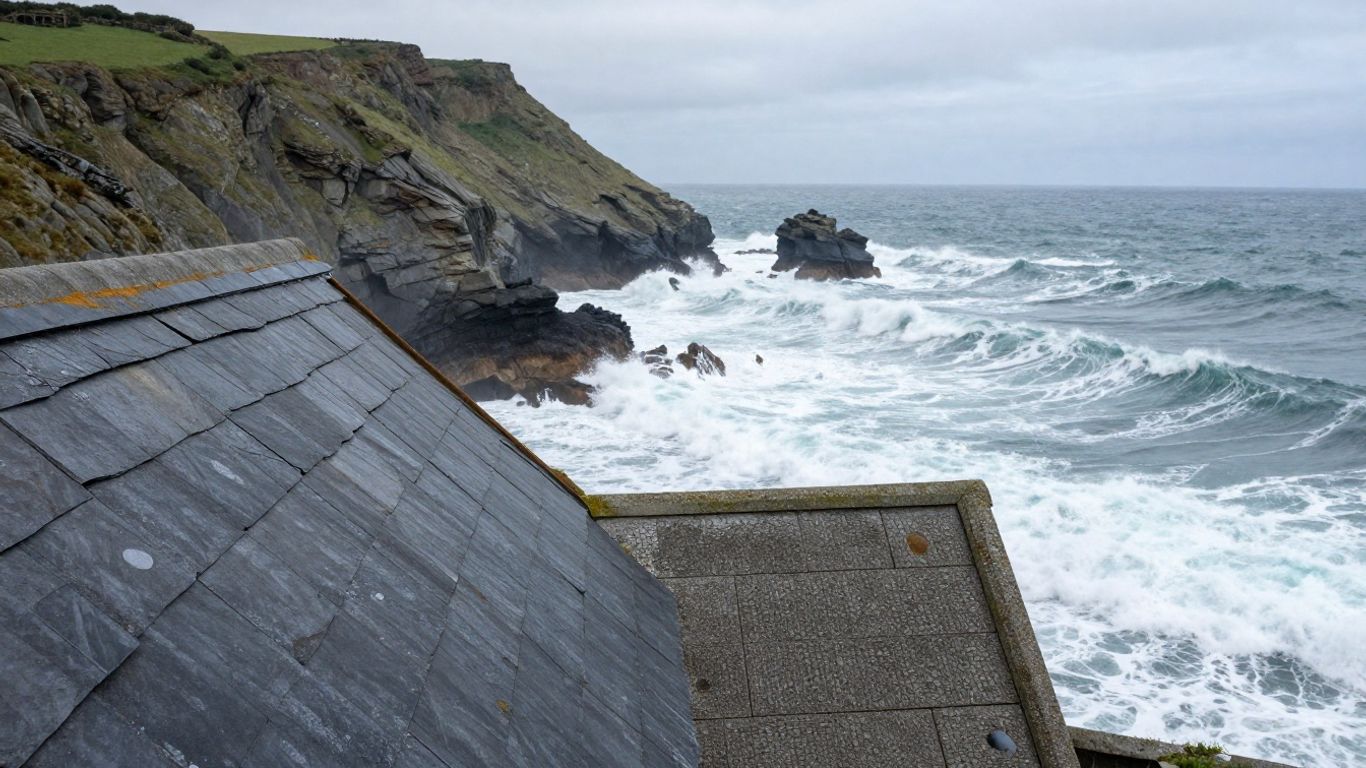
Choosing the right roof for your Cornish home is a big deal, especially with the salty air and wild weather we get. You’ve probably seen loads of houses with those lovely grey tiles, but are they actually slate or concrete? It’s a question many homeowners face, and the answer really matters for how long your roof lasts and how much upkeep it needs. We’re going to break down the differences between slate vs concrete roof tiles Cornwall, looking at what holds up best against the elements and what looks good on our unique coastline.
Key Takeaways
- Natural slate roofs can last well over 100 years, often outliving concrete tiles which typically last between 30-70 years, making slate a better long-term investment despite higher initial costs.
- Cornwall’s coastal climate, with salt spray and strong winds, means materials need to be tough. Natural slate handles this better than concrete, which can suffer from surface erosion and colour fading more quickly.
- While concrete tiles are cheaper upfront and easier to install, natural slate offers superior durability and a more prestigious look that ages gracefully, often becoming a feature of historic Cornish properties.
- Maintenance for concrete tiles can be more frequent, dealing with moss and colour loss, whereas natural slate requires less upkeep, though repairs might need specialist skills and matching materials.
- For listed buildings or conservation areas in Cornwall, natural slate is often the only permitted choice to maintain architectural authenticity, whereas concrete offers more flexibility for modern builds where budget is a primary concern.
Understanding Slate vs Concrete Roof Tiles in Cornwall’s Coastal Climate
Exposure to Salt Spray and Moisture
Cornwall’s coastline means roofs are constantly battling the elements, and salt spray is a big one. This salty air can be tough on roofing materials. While natural slate is pretty resistant, some types can still be affected over time. Concrete tiles, on the other hand, can absorb moisture, and when that moisture freezes and thaws, it can cause damage. It’s not just about rain; it’s the constant salty dampness that really tests a roof here.
Impact of Wind and Weather Patterns
We all know Cornwall can get windy, especially along the coast. Strong gusts can lift or damage tiles if they aren’t properly secured or if they’re the wrong type. The weight and interlocking design of a tile play a big part in how well it stands up to the wind. We get a lot of driving rain too, which can find its way under loose tiles. It’s a real mix of conditions to contend with.
Long-term Water Absorption Concerns
How much water a tile soaks up over the years is a key factor in its lifespan, particularly in a damp climate like Cornwall’s. Tiles that absorb a lot of water can become heavier, which puts more strain on your roof structure. More importantly, this absorbed water can lead to issues like frost damage in colder snaps, or even encourage moss and lichen growth, which can lift tiles and cause leaks. It’s something to really think about when choosing what goes on your roof.
Here’s a quick look at how they generally compare:
| Feature | Natural Slate | Concrete Tiles |
|---|---|---|
| Water Absorption Rate | Very Low | Moderate to High |
| Salt Spray Resistance | Excellent | Good, but can degrade over time |
| Frost Resistance | Excellent | Good, but can be affected by high absorption |
| Wind Uplift Resistance | Excellent (due to weight and fixing) | Good (depends on profile and fixing) |
| Moss/Algae Growth Risk | Low | Moderate to High |
The coastal air in Cornwall is a constant challenge for any roofing material. It’s not just the rain and wind, but the persistent salt that can wear down even tough surfaces over time. Choosing a material that can handle this specific environment is key to avoiding premature wear and tear.
Durability and Lifespan Analysis for Slate and Concrete Tiles
When you’re thinking about roofing for a place in Cornwall, especially near the coast, how long the tiles will actually last is a big deal. You don’t want to be replacing your roof every few years, right? Let’s break down how natural slate and concrete tiles stack up.
Natural Slate Longevity in Coastal Environments
Natural slate is pretty much the king when it comes to lasting a long time. We’re talking roofs that can easily see out 100 years, sometimes even more, if they’re looked after properly. It’s a material that’s been used for centuries for a reason. It doesn’t really degrade much, even with the salty air and dampness you get around here. It’s not porous, so it doesn’t soak up water, which is a major plus in our changeable Cornish weather. The main thing with slate is its sheer resilience.
Expected Lifespan of Concrete Roof Tiles
Concrete tiles, on the other hand, have a shorter run. They became popular a while back, and they’re made to look a bit like slate or clay. You’re generally looking at a lifespan of around 40 to 60 years. The issue is that their protective outer layer wears down over time. This makes them more open to soaking up moisture. This not only encourages all sorts of moss and algae to grow, but it can also lead to the tiles crumbling, especially when we get those freeze-thaw cycles in winter.
Comparing Lifespan Data: Slate vs Concrete Roof Tiles Cornwall
So, when you put them side-by-side for a Cornish property, the difference is pretty stark. Natural slate offers a century or more of reliable protection. Concrete tiles, while cheaper upfront, will likely need replacing much sooner. It’s a classic case of paying a bit more now for a lot less hassle and expense down the line.
Here’s a quick look:
| Material | Typical Lifespan (Years) | Coastal Durability Notes |
|---|---|---|
| Natural Slate | 100+ | Highly resistant to salt spray and moisture; ages gracefully |
| Concrete Tiles | 40-60 | Porous surface prone to moss; can degrade with freeze-thaw |
It’s worth remembering that the quality of installation plays a massive role too. Even the best materials can fail if they’re not put on correctly. For coastal areas, making sure the fixings are robust and the roof is properly ventilated is key for both types of tile, but especially important for extending the life of concrete tiles.
Maintenance Demands Unique to Cornwall Properties
Cleaning and Moss Growth Risks
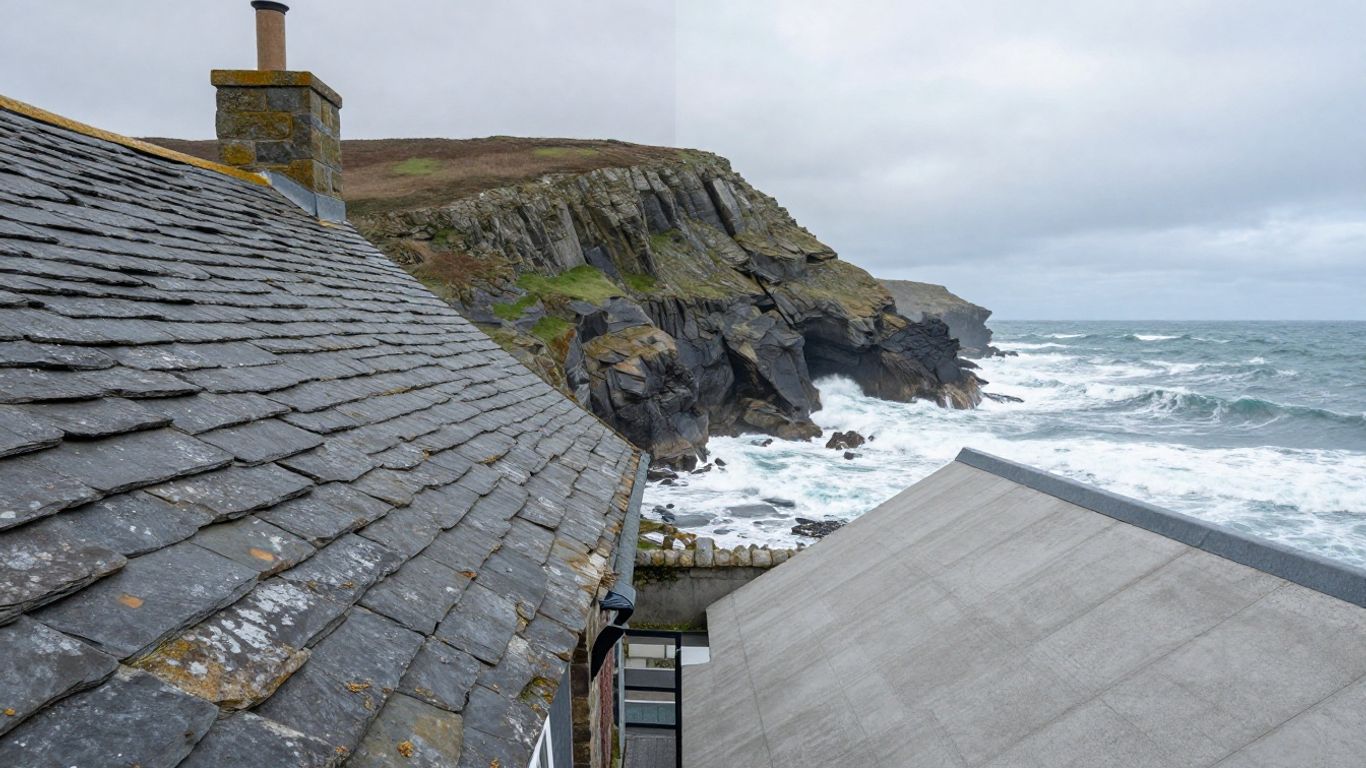
Cornwall’s damp, salty air creates a perfect breeding ground for moss, lichen, and algae on roofs. While natural slate is relatively resistant, concrete tiles, with their more porous surface, can be particularly susceptible. Regular cleaning is often necessary to prevent these growths from taking hold and potentially causing damage. Moss can trap moisture, leading to freeze-thaw cycles that can degrade tiles over time, and it can also block gutters, causing water to back up. For concrete tiles, this might involve gentle washing with a specific roof cleaner, while slate might only need occasional brushing. It’s important to use cleaning methods appropriate for your chosen material to avoid damage.
Colour Fading and Visual Changes Over Time
Over the years, the vibrant colours of roofing materials can change. Natural slate, especially, develops a beautiful patina, a sort of natural ageing that many homeowners find appealing. It might lighten or develop subtle variations in tone, but its fundamental character remains. Concrete tiles, on the other hand, can be more prone to significant colour fading. The pigments used in their manufacture can degrade under prolonged exposure to the strong Cornish sun and salt spray, leading to a duller, more uniform appearance over time. This can affect the overall look of your property, especially if you’re aiming for a specific aesthetic.
Repair Challenges and Replacement Matching
When a tile or slate needs replacing, matching the original material can be a challenge, particularly in Cornwall. Natural slate, especially older types like Delabole slate, can be difficult to source in exact matches, meaning repairs might be noticeable. This is where working with experienced roofers who understand local materials becomes important. For concrete tiles, while production is more standardised, colours can change between batches, and discontinued product lines can make finding a perfect match tricky. The ease of sourcing replacement tiles can significantly impact the long-term maintenance cost and visual consistency of your roof. If you’re looking for a roofer experienced in repairs and maintenance for coastal properties, expert commercial roofing services in the region can be a good starting point.
Aesthetic Considerations: Enhancing Cornish Homes
When you’re thinking about roofing for a place in Cornwall, especially near the coast, how it looks is a pretty big deal. It’s not just about keeping the rain out, is it? You want it to fit in with the landscape and the style of your house.
Natural Colour Variations of Slate
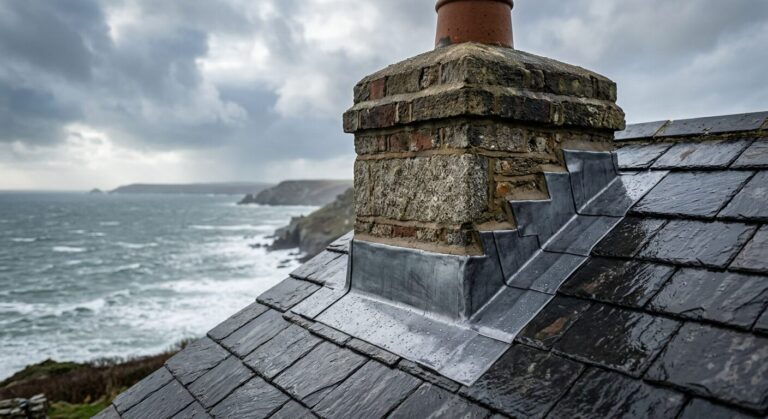
Natural slate is a bit special because each tile is unique. You get these lovely, subtle shifts in colour – think deep greys, blues, even hints of green or purple. This natural variation gives a roof a really rich, textured look that you just can’t get with manufactured tiles. It ages beautifully, too, developing a sort of character over time that complements the rugged Cornish coastline. It’s a classic choice for a reason.
Appearance Over Time: Patina vs Surface Erosion
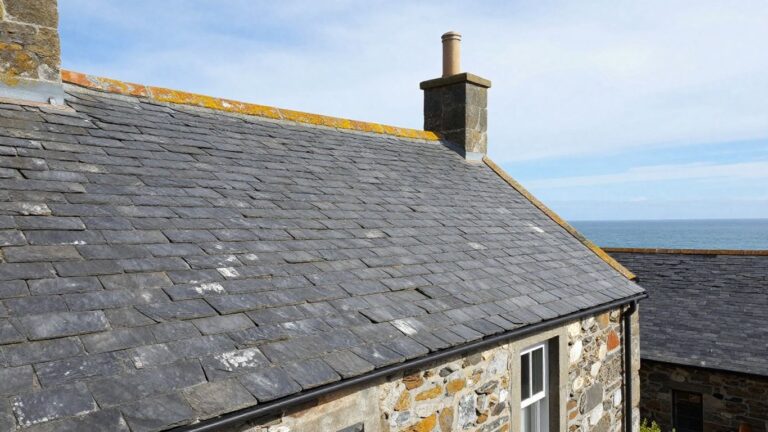
Slate tends to develop a patina as it gets older. This is like a natural ageing process where the surface mellows and can even take on a slightly different hue. It’s generally seen as a positive thing, adding to the roof’s charm. Concrete tiles, on the other hand, can sometimes show signs of surface erosion. This might mean the colour fades or the texture wears away, making them look a bit tired sooner than you’d hope. It’s a different kind of ageing, and not always for the better.
Impact on Historic and Modern Property Styles
For older, listed buildings or homes in conservation areas, natural slate is often the only real option. It respects the original architecture and helps maintain the historical character of the property. You see it on so many traditional Cornish cottages and grander period homes. But it’s not just for the old places. Modern homes can also look fantastic with slate, especially if you’re going for a more minimalist or natural aesthetic. Concrete tiles can work on modern builds too, but they often lack that depth and unique character that slate brings. They can sometimes look a bit more uniform, which might be what some people want, but for many, slate offers a more timeless appeal.
Weighing Cost Against Performance in Cornwall
When you’re looking at roofing for your Cornish home, especially with the sea air and weather we get, it’s not just about what looks good right now. You’ve got to think about the long haul. Natural slate might seem pricey at first glance, but when you break it down over decades, it often works out better.
Initial Investment and Ongoing Costs
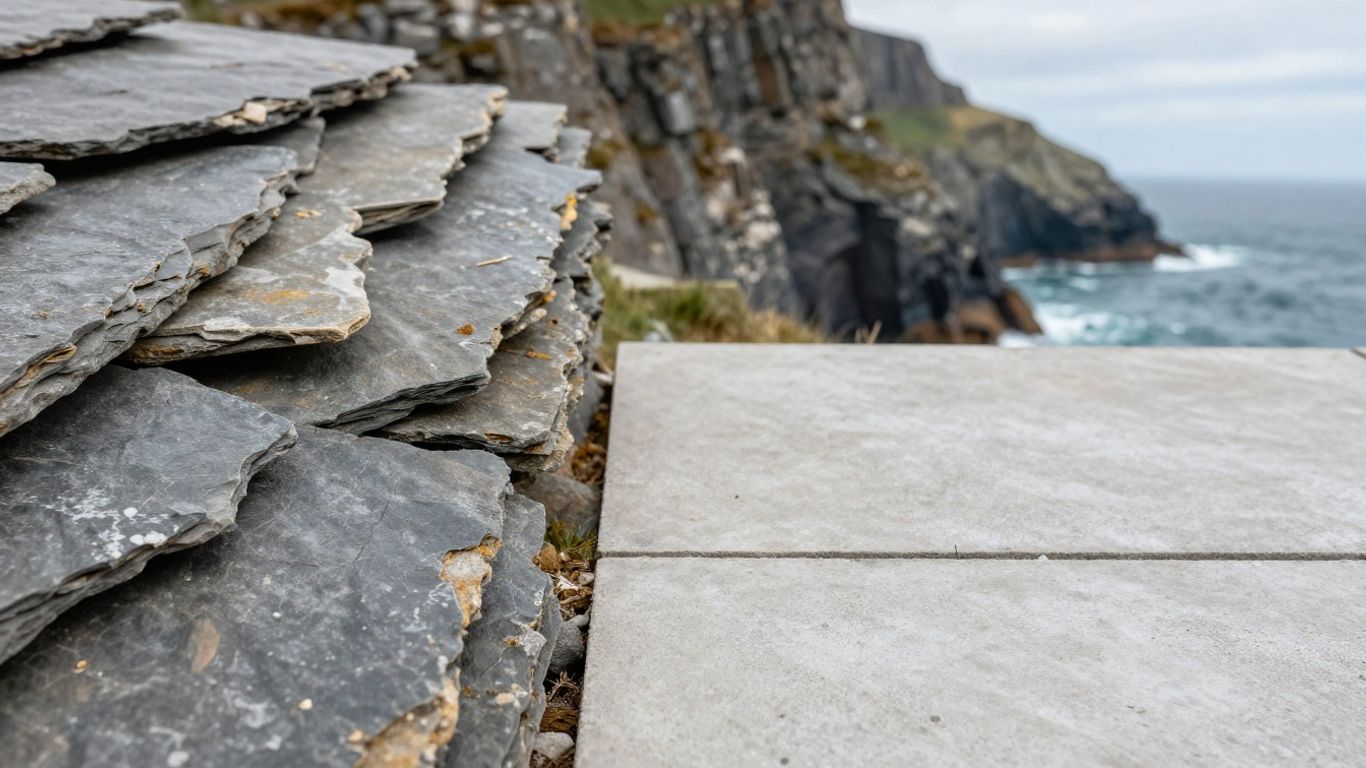
Let’s be honest, the upfront cost for natural slate is usually higher than for concrete tiles. Concrete tiles are manufactured, making them generally more affordable to produce and therefore buy. However, this initial saving with concrete can sometimes lead to higher costs down the line. Natural slate, while a bigger initial outlay, often requires less maintenance and has a much longer lifespan, which can offset its higher starting price.
Lifetime Value of Natural Slate vs Concrete Tiles
This is where the real difference shows. A well-installed natural slate roof can easily last over 100 years, sometimes much more. Think about that – it could be the last roof you ever need to put on your house. Concrete tiles, on the other hand, typically have a lifespan of 30-50 years, maybe a bit longer if you’re lucky and conditions are favourable. This means you’re likely looking at one or even two full replacements of concrete tiles within the time a slate roof is still going strong. When you spread the cost of slate over its incredibly long life, the cost per year becomes very competitive, if not cheaper, than concrete.
Short-term Savings Versus Long-term Replacement
It’s tempting to go for the cheaper option upfront, especially if you’re not planning to stay in the property for decades. Concrete tiles offer that immediate cost saving. But for homeowners in Cornwall, particularly those with older properties or those looking to invest for the future, the long-term value of natural slate is hard to ignore. Replacing a roof is a significant expense, and doing it multiple times adds up considerably. Choosing a material like natural slate that’s built to last can save you a substantial amount of money and hassle in the long run, even if it means a larger initial investment.
The decision between natural slate and concrete tiles in Cornwall isn’t just about the price tag today; it’s about understanding the total cost of ownership over the life of your property. While concrete offers immediate savings, the longevity and durability of natural slate often make it the more economical choice over many decades, especially considering the harsh coastal environment.
Environmental and Sustainability Impacts of Roofing Materials
Regional Sourcing and Transport Footprint
When we’re thinking about roofing for our homes here in Cornwall, it’s easy to just focus on how it looks and how long it’ll last. But what about the planet? It’s a big consideration these days, and rightly so. For natural slate, especially if it’s sourced from quarries closer to home, like those in North Wales, the journey to Cornwall isn’t too bad. It’s mostly by road or rail, which is better than some alternatives. Even slate from further afield, like Spain, often comes by sea, and that can actually have a lower carbon footprint than the energy needed to manufacture concrete tiles from scratch. Concrete tiles, you see, require a lot of energy to produce, and that’s a big part of their environmental story.
Recyclability and End-of-Life Prospects
What happens to your roof when it’s finally time for a change? This is where natural slate really shines. It’s a material that can be reclaimed and reused. Think about old buildings being restored – they often use reclaimed slate. It means less waste going to landfill. Plus, because slate is so durable, it doesn’t need much processing before it can be used again. Concrete tiles, on the other hand, are a bit trickier. While some might have a bit of recycled content, they’re not as straightforward to recycle at the end of their life. You can’t just chuck them in the regular recycling bin, and breaking them down for reuse can be energy-intensive.
Natural Slate as a Sustainable Choice for Cornwall
So, putting it all together, natural slate often comes out on top when you look at the bigger environmental picture. It lasts for ages, meaning you’re not replacing it every few decades. It doesn’t need any special treatments or coatings that could leach into the environment. And when you consider its sourcing and its potential for reuse, it’s a pretty solid, sustainable choice for a Cornish home. It feels good to know that the roof over your head isn’t costing the earth, literally.
Choosing a roofing material involves looking beyond just the initial cost and appearance. The environmental impact, from where it’s made to what happens to it when it’s no longer needed, is a significant factor. Natural slate, with its longevity and recyclability, often presents a more responsible option for homeowners mindful of their carbon footprint.
Structural and Installation Factors for Coastal Roofs
Weight and Roof Support Requirements
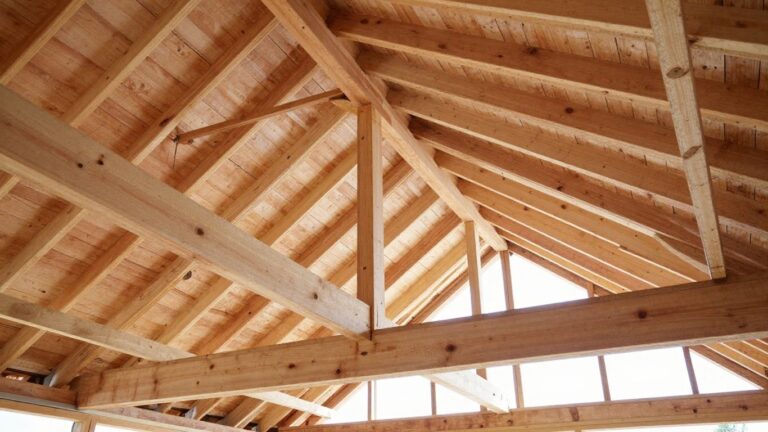
When you’re thinking about roofing for a Cornish property, especially one right by the sea, the weight of the materials is something you really need to consider. Natural slate, for instance, is quite heavy. It’s not like some of the lighter modern options. This means your roof structure needs to be strong enough to handle it. Older buildings might need reinforcement to support the load, which can add to the overall cost. Concrete tiles are also substantial, though often a bit lighter than good quality slate. It’s always best to get a structural engineer to check if your existing roof timbers are up to the job, particularly if you’re going for a thicker, more robust slate.
Skilled Labour Needs for Natural Slate Installation
Putting natural slate on a roof isn’t a DIY job, not if you want it done right anyway. It requires a good deal of skill and experience. The slates need to be sorted by thickness and quality, then carefully overlapped and fixed. Getting the angles and the fixings just right is vital, especially in a windy coastal area where a poorly installed slate could easily be lifted. Finding roofers who really know their way around natural slate can be a bit of a challenge, and their expertise often comes at a higher price. But honestly, for a roof that’s meant to last a century, it’s worth the investment.
Ease of Installation for Concrete Tiles
Concrete tiles, on the other hand, are generally a bit more straightforward to fit. They’re more uniform in size and shape, which makes the process quicker for the installers. This can sometimes translate into lower labour costs compared to natural slate. They’re also pretty tough, so they can handle being transported and handled without the same level of care that slate demands. For a standard pitched roof, most competent roofers can get concrete tiles on pretty efficiently. It’s a more predictable installation process, which is always a plus when you’re trying to budget for a project.
When building roofs by the sea, it’s super important to think about how they’ll be put up and what they’re made of. The wind and salty air can be tough on a roof, so choosing the right materials and making sure they’re installed correctly is key to keeping your home safe and dry. We know all about making coastal roofs strong and long-lasting. Want to learn more about how we build roofs that can handle the coast? Visit our website today!
So, What’s the Verdict for Your Cornish Coast Home?
Right then, after all that, it really comes down to what you’re after for your place by the sea. If you’re aiming for that timeless look and want something that’ll likely outlast you, natural slate, especially from local quarries like Delabole, is hard to beat. It’s a proper investment, no doubt about it, but the way it stands up to the salty air and weather is pretty impressive. Concrete tiles, on the other hand, are a more budget-friendly option. They’ll do the job of keeping the rain out for a good few decades, and they come in loads of colours. But, you’ll probably find they don’t age quite as gracefully and might need a bit more looking after over the years compared to good old slate. Think about your budget, how long you plan to stay, and what look you’re going for – that’ll help you make the right choice for your home.
Frequently Asked Questions
Which type of roof tile is best for a house right by the sea in Cornwall?
For homes near the Cornish coast, natural slate is usually the top choice. It’s really tough and can handle the salty air and strong winds that are common here. While concrete tiles might seem cheaper at first, they don’t last as long in this salty environment and can fade or get damaged more easily over time.
How long do natural slate roof tiles usually last on a coastal property?
Natural slate is incredibly durable, especially in coastal areas. If it’s put on properly and looked after, a slate roof can easily last for over 100 years, sometimes even up to 150 years. It’s a fantastic long-term investment for your home.
Do concrete roof tiles need a lot of cleaning by the sea?
Yes, concrete tiles often need more cleaning than slate, especially by the coast. The salty air and dampness can encourage moss and algae to grow on their surface. You’ll probably need to clean them every few years to keep them looking good and prevent damage.
Will the colour of my roof tiles fade if they are exposed to the sun and sea air?
Concrete tiles can fade over time because their colour is often just a coating on the surface. Natural slate, on the other hand, has colour all the way through and develops a lovely, natural look as it ages, rather than fading badly.
Is natural slate very heavy, and will my roof need strengthening?
Natural slate is quite heavy, so it’s important to check if your roof structure can support it. Sometimes, especially on older houses, you might need to add extra support. Concrete tiles are also heavy, but often less so than good quality natural slate.
What’s the difference in cost between slate and concrete tiles for a roof in Cornwall?
Natural slate usually costs more to buy and install than concrete tiles. However, because slate lasts much longer and needs less maintenance, it can actually be cheaper over the whole life of the roof. Concrete tiles are cheaper to start with, but you might have to replace them sooner.
Need Help Choosing the Right Roofing Material?
Get expert advice on slate, concrete tiles, and the best roofing solution for your property.
👉 Request a Free Roofing Quote