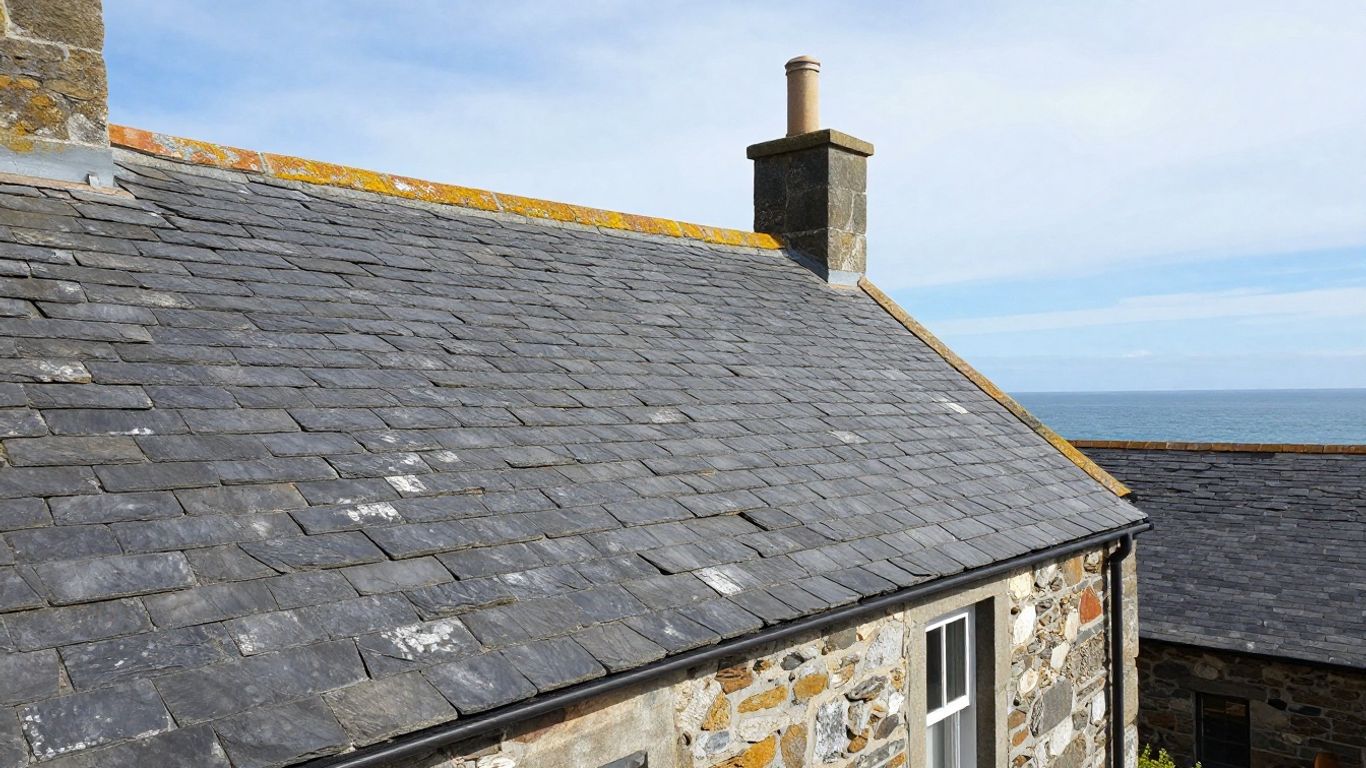
Living in Polperro or Looe means owning a bit of history, doesn’t it? These charming Cornish towns have buildings that have seen a lot. When it comes to looking after their roofs, it’s not just about keeping the rain out. You’ve got to think about keeping things looking right, respecting the past, and making sure the roof can handle the weather. It’s a bit of a balancing act, really. We’ll look at what goes into heritage roofing in Looe Cornwall, making sure these old places stay sound and look good for years to come.
Key Takeaways
- When working on roofs in conservation areas like Polperro and Looe, it’s vital to use materials that match the original style. Think traditional slates or tiles, not modern plastic ones.
- Planning permission is almost always needed for work on historic properties. It’s best to check with the local council early on to avoid problems.
- Looe Cornwall’s coastal location means roofs need to be tough against wind and salt spray. This affects material choices and how things are fitted.
- Repairs often involve things like fixing or replacing old slates, dealing with leadwork, and making sure dormer windows are in keeping with the building’s age.
- Getting a good roofer who knows about heritage buildings is important. They’ll understand the rules and how to work with old materials, which helps protect your property’s value and its character.
Understanding Heritage Roofing in Looe Cornwall
When you own a property in a place like Looe, especially one with a bit of history, looking after the roof is a big deal. It’s not just about keeping the rain out, though that’s pretty important. It’s about respecting the past and making sure the building fits in with the look and feel of the town. Looe, with its charming streets and coastal setting, has a lot of older buildings, and their roofs are a key part of their character.
The Importance of Traditional Materials
Using the right materials is where it all starts. Think about what roofs looked like here a hundred years ago, or even more. You’ll see a lot of natural slate, often locally sourced if possible, and maybe some clay tiles. These materials have lasted for ages for a reason – they’re tough and they look right. Trying to use modern, artificial stuff can really spoil the look of an old building. It’s like putting a plastic garden gnome on a medieval tombstone; it just doesn’t fit.
Navigating Planning Permissions for Historic Properties
This is where things can get a bit tricky. If your property is listed or in a conservation area, you can’t just do what you like. You’ll almost certainly need planning permission, and often Listed Building Consent, before you start any major roof work. The local council, usually Cornwall Council in this area, will want to see that you’re planning to use appropriate materials and methods. They’re not trying to make life difficult, they’re trying to protect the heritage of places like Looe. It’s a good idea to check with them early on, maybe even before you get quotes from roofers.
Key Considerations for Heritage Roofing Looe Cornwall
So, what should you be thinking about?
- Material Choice: Stick to traditional materials like natural slate or clay tiles where possible. If you’re unsure, ask.
- Skilled Labour: Not every roofer knows how to work with old materials or techniques. You need someone who understands heritage properties.
- Planning Rules: Be prepared for the planning application process. It can take time, so factor that into your project schedule.
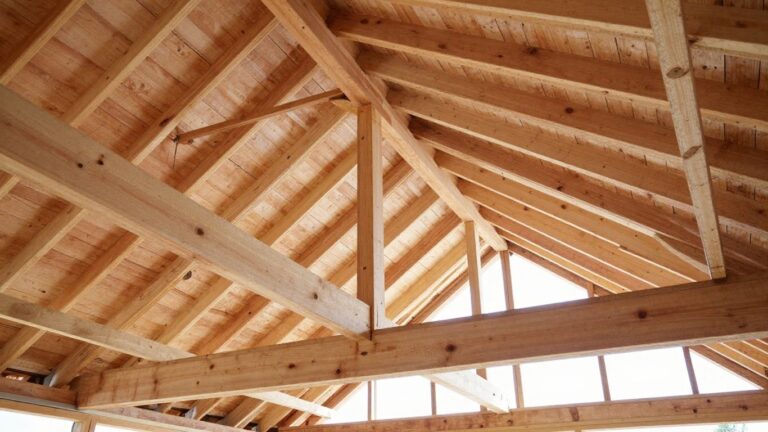
- Building Condition: Before you start, get a good look at the whole roof structure. Are the timbers sound? Is the chimney okay? Sometimes roof problems are linked to other issues.
Working with heritage properties means you’re a custodian, not just an owner. The decisions you make about your roof will affect how the building looks and feels for years to come, and how it contributes to the unique character of Looe.
Conservation Challenges and Solutions
Balancing Modern Insulation with Historic Aesthetics
Trying to keep an old house warm and dry without messing up how it looks is a bit of a balancing act, isn’t it? You want to add modern comforts, like better insulation, but you also have to respect the original character of buildings in places like Polperro and Looe. It’s easy to go too far and make a historic property look like a modern box, which nobody wants. The trick is to find ways to improve energy efficiency that don’t shout about themselves. Think about using materials that blend in, or techniques that are reversible if needed.
Approved Materials for Conservation Areas
When you’re working on a historic roof, especially in a conservation area, you can’t just slap any old thing on it. There are usually specific materials that are allowed, and for good reason. These are often chosen because they match what was used originally, or because they’re known to last well in our coastal climate. For instance, natural slate is often the go-to for traditional roofs around here. It looks right, it performs well, and it’s what people expect to see on older properties.
Here’s a general idea of what’s often favoured:
- Natural Slate: Traditional, durable, and aesthetically pleasing. Different types might be specified depending on the age and style of the property.
- Clay Tiles: Certain profiles and colours might be acceptable, particularly if they match existing examples.
- Leadwork: Essential for flashings, valleys, and decorative elements. Proper lead codes (thicknesses) are important for longevity.
- Timber: For roof structures, verges, and sometimes decorative elements, using appropriate, sustainably sourced timber is key.
Working with Local Planning Authorities
Dealing with the local planning department can sometimes feel like a maze, but it’s a necessary step when you’re doing work on listed buildings or in conservation areas. They’re there to help protect the heritage of places like Polperro and Looe, so it’s best to get them on your side early. Showing them you’ve thought about the traditional aspects and are planning to use appropriate materials usually goes a long way. It’s always better to ask for advice before you start than to have to undo work later.
The goal is to make sure that any repairs or upgrades don’t detract from the historical significance of the building. This means careful selection of materials, sympathetic design choices, and a good understanding of traditional building methods. It’s about preserving the past for the future, while still making the property fit for modern living.
Common Roofing Works in Polperro and Looe
When you’re looking at older properties in places like Polperro and Looe, the roofs often need a bit of attention. These aren’t just any roofs; they’re part of the character of the towns. So, what kind of work do we typically see?
Slate Roof Repairs and Replacements
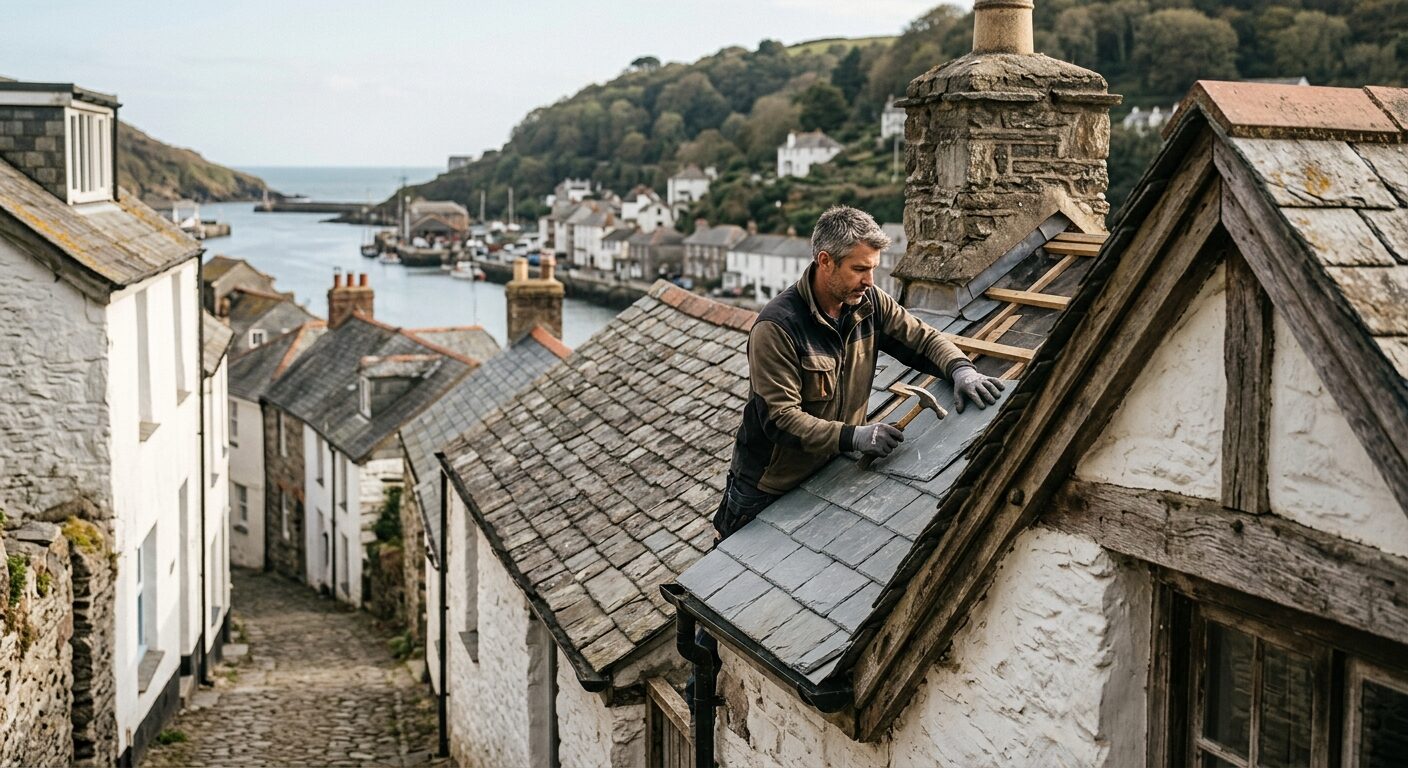
Many of the homes here have beautiful, traditional slate roofs. Over time, these can suffer from wear and tear. Individual slates might crack or slip, especially after a harsh winter. Sometimes, it’s just a few broken slates that need swapping out. Other times, a whole section might need re-tiling to keep things watertight. It’s really important to use matching or reclaimed slates to keep the look consistent with the rest of the roof and the surrounding buildings. This isn’t just about looks, though; it’s about making sure the roof can handle the coastal weather.
Window and Dormer Adaptations
Adding or updating roof windows, often called dormers or Velux windows, is another common job. People want more light or better ventilation. When this happens in a conservation area, the trick is to make sure any new windows blend in. This might mean using specific types of frames or ensuring they’re installed in a way that doesn’t disrupt the roof’s original lines. Sometimes, an old, broken roof light might be replaced with a new one, but the focus is always on making it look like it belongs there.
Leadwork and Flashing Renewals
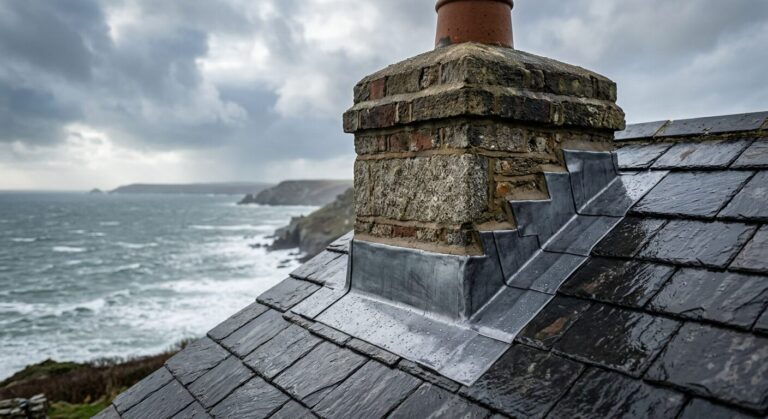
Lead has been used for centuries in roofing, particularly for flashings around chimneys, valleys, and where different roof sections meet. Over the years, lead can become brittle or develop cracks, leading to leaks. Replacing old, worn leadwork with new, correctly installed lead is a vital job. It’s a skilled task, and getting it right stops water from getting into the building’s structure. It’s one of those jobs that might not be very visible, but it’s absolutely key to the roof’s performance.
Working with heritage roofs means respecting the past while making sure the building is secure for the future. It’s a careful balance, and getting the details right makes all the difference.
Enhancing Property Value and Durability
When you’re looking after a historic property in places like Polperro or Looe, thinking about the roof isn’t just about keeping the rain out. It’s a big part of what makes your house special, and getting it right can really make a difference to its overall worth and how long it lasts.
The Benefits of Expert Heritage Roofing
Getting a professional who knows their stuff when it comes to old roofs is a smart move. They understand the specific needs of these buildings and can spot problems before they get serious. A well-maintained heritage roof protects your home from the elements, preventing costly water damage and structural issues down the line. This kind of care means your property is less likely to suffer from damp, rot, or other decay that can seriously affect its integrity and value. It’s about preserving the character while making sure it’s sound.
Long-Term Protection for Period Homes
Think of your roof as the first line of defence. Using the right materials and techniques means it can stand up to the tough coastal weather we get around here. Traditional materials, when properly installed and looked after, can last for a very long time. For example, good quality natural slate, if repaired correctly, can easily last for a century or more. It’s an investment that pays off over decades, keeping your home dry and secure.
Here’s a quick look at what makes a difference:
- Material Choice: Opting for materials that are in keeping with the original build and suitable for the local environment.
- Skilled Craftsmanship: Ensuring that any work is carried out by tradespeople experienced in heritage techniques.
- Regular Maintenance: A simple check-up every few years can catch small issues before they become big, expensive problems.
- Appropriate Repairs: Using methods and materials that are sympathetic to the existing structure, not ones that cause future harm.
Looking after a period roof properly is more than just a repair job; it’s about safeguarding a piece of history. The right approach means the building can continue to be enjoyed for generations, without compromising its unique charm or structural soundness. It’s a balance that, when achieved, adds significant appeal and lasting value.
Choosing the Right Roofing Professionals
Finding the right people for the job is key. You want a roofer who doesn’t just know how to put tiles on a roof, but who understands the nuances of heritage buildings. Ask for examples of their previous work, especially on similar properties in Polperro or Looe. Check their credentials and see if they have experience working with conservation officers or local planning departments. A good professional will be transparent about their methods and the materials they plan to use, explaining why they are the best choice for your specific property.
Specific Considerations for Looe Cornwall Properties
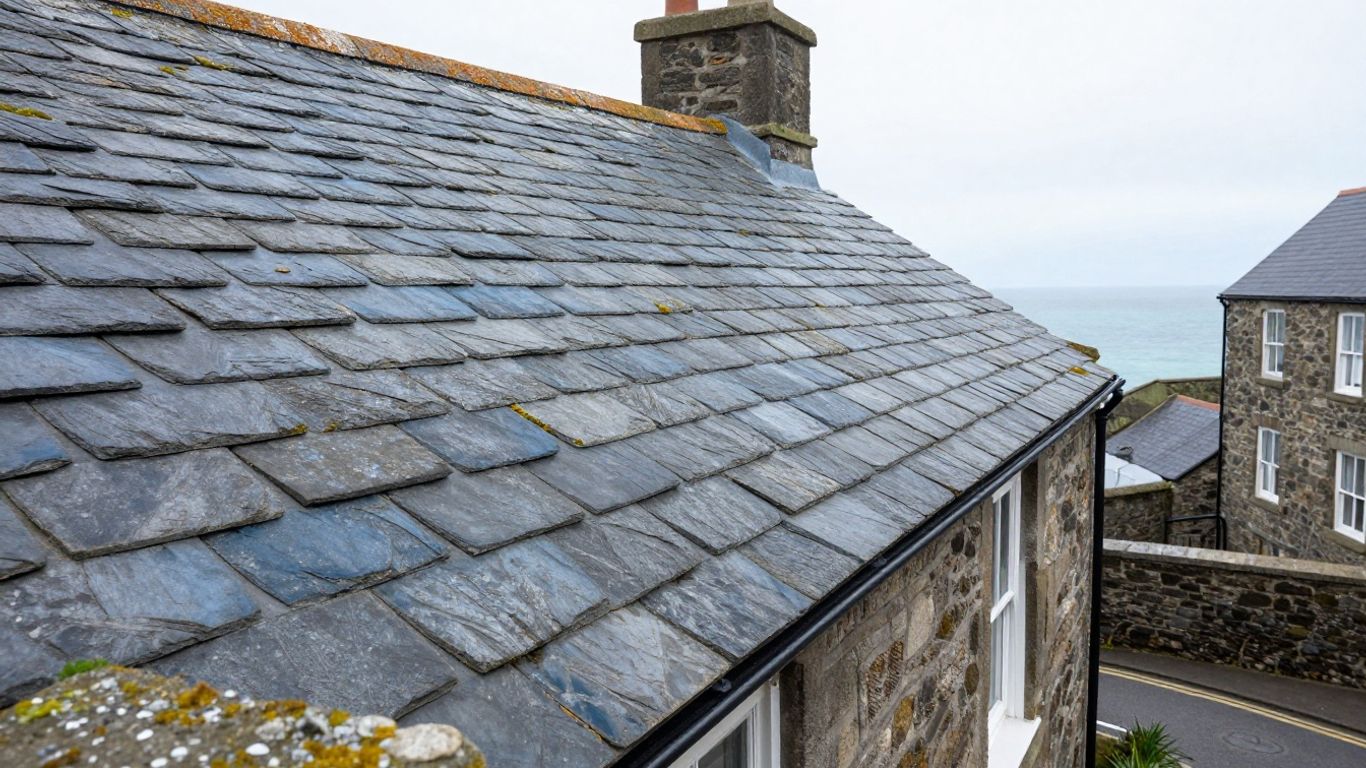
When you’re looking at roofs in Looe, especially in areas like Polperro, you’ve got to think about the weather. This part of Cornwall gets a fair bit of wind and rain coming in off the sea, so your roof needs to be tough.
Coastal Weatherproofing Requirements
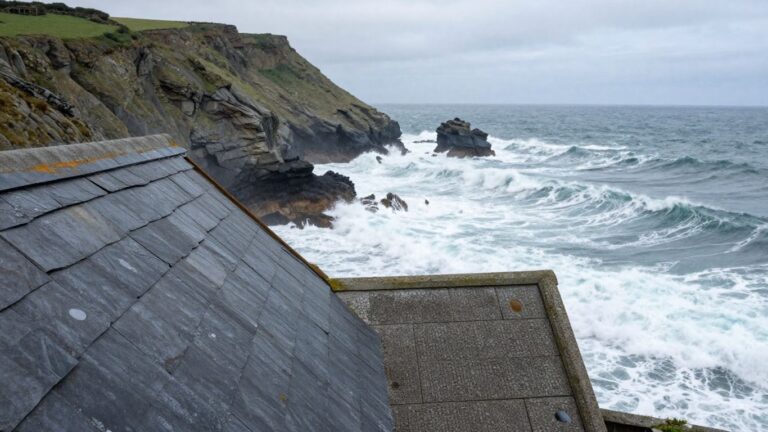
It’s not just about keeping the rain out; it’s about making sure your roof can handle the salty air and strong gusts. Traditional materials like slate, if they’re good quality and properly fitted, can last for ages. But even the best slate can be damaged by severe weather. We often see issues with slipped slates or damage to leadwork after a big storm. It’s important to use materials that are known to stand up to the elements. For instance, using lime mortar instead of cement for pointing is often recommended because it’s more flexible and less likely to crack under pressure from wind or temperature changes.
Local Building Regulations and Guidelines
Looe, like many coastal towns with historic character, has specific rules about what you can and can’t do with your property. These aren’t just general guidelines; they’re often tied to conservation areas and listed building status. You’ll need to check with Cornwall Council’s planning department to see exactly what applies to your home. They’ll have lists of approved materials and methods.
- Check your property’s status: Is it in a conservation area? Is it a listed building? This will dictate a lot of what you can do.
- Material choices: Often, you’ll be expected to use materials that match the original, like natural slate or specific types of tile.
- Planning applications: Even for what seems like a small repair, you might need planning permission or listed building consent.
It’s always better to get advice early. Trying to fix a roof only to find out it doesn’t meet regulations can be a costly mistake, leading to more work and expense down the line.
Case Studies in Heritage Roofing Looe Cornwall
We’ve seen a few interesting projects around Looe recently. For example, a property on West Looe Hill needed its old, failing roof replaced. We used reclaimed West Country slates to match the original look, and made sure the fixings were robust enough for the coastal winds. Another job involved a cottage in East Looe where the lead flashing around a chimney had corroded. We replaced it with new, code-compliant leadwork, ensuring it was properly dressed to prevent water ingress.
| Work Type | Location | Materials Used | Outcome |
|---|---|---|---|
| Re-roofing | West Looe Hill | Reclaimed West Country Slates, Lime Mortar | Improved weather resistance, maintained historic appearance |
| Leadwork Repair | East Looe | Code 4 Lead | Prevented water damage, extended roof life |
| Dormer Window Adaptation | Hannafore | Timber, matching slate | Added light and space, compliant with planning |
These examples show how important it is to get the details right when working on older properties in a place like Looe.
When looking at homes in Looe, Cornwall, there are a few things to keep in mind. The coastal air and weather can be tough on roofs, so making sure they’re in good shape is super important. We know all about the specific challenges that properties in this beautiful part of Cornwall face. If you’re worried about your roof or need any work done, check out our website for more details.
Wrapping Up: Keeping Polperro and Looe Beautiful
So, when it comes to roofs in places like Polperro and Looe, it’s a bit of a balancing act, isn’t it? You want your home to be snug and secure, but you also don’t want to spoil the look of these lovely old towns. It seems like most people are trying to do just that, looking for ways to update their homes without messing with the character. Whether it’s new tiles that look like the old ones, or fixing up windows to keep the draft out, the aim is usually to make things better while respecting the past. It’s good to see people taking pride in their properties and working with the rules to keep these coastal gems looking their best for years to come.
Frequently Asked Questions
What makes roofing in Polperro and Looe special?
Polperro and Looe are known for their historic buildings. This means that when you need roof work done, it’s really important to use materials and methods that match the original look of the buildings. We have to be careful to keep the towns looking like they always have, while still making sure the roofs are strong and safe.
Do I need permission to change my roof in a conservation area?
Yes, most likely. If your house is in a conservation area or is a listed building, you’ll probably need to get special permission from the local council before you start any roof work. They want to make sure that any changes fit in with the area’s history and style.
What kind of roofing materials are best for old houses in Cornwall?
For old houses around here, things like natural slate or traditional clay tiles are often the best choice. These materials have been used for ages and look right at home on historic properties. Using modern materials that don’t match can cause problems with planning rules.
How do you keep old roofs warm without ruining their look?
It can be tricky! We can sometimes add insulation in clever ways, like between the roof timbers or under the tiles, so it’s not visible from the outside. The goal is to make the house more energy-efficient without changing how the roof looks from the street.
What are the biggest roofing problems in coastal towns like Looe?
The sea air and strong winds can be tough on roofs. Salt can cause damage, and the wind can lift tiles. So, we often need to use stronger fixings and materials that can stand up to the weather, especially in places like Polperro and Looe that are right by the coast.
How do I find a good roofer for my historic property?
Look for roofers who have experience with heritage buildings and conservation areas. Ask to see examples of their previous work, check their reviews, and make sure they understand the local planning rules. Getting a few quotes is always a good idea too.