Flat roofs are a common sight across Devon, whether on homes, garages, or garden sheds. Picking the right material can be a bit of a headache, especially with so many options out there. You’ll hear plenty about GRP fibreglass and traditional felt, but there’s also EPDM rubber and a whole bunch of different felts. If you’re weighing up GRP vs felt flat roofing in Devon, this guide should help clear things up. Here’s a look at the main choices, what they’re like, and what you might want to think about before making a decision.
Key Takeaways
- GRP fibreglass roofs are tough and last a long time, but cost more and need a pro to fit them properly.
- Traditional felt is cheaper and easier to put down, making it a good option for sheds and garages, but it doesn’t last as long as GRP or EPDM.
- EPDM rubber is flexible and has a long lifespan, but it can be tricky to install and isn’t always the best looking.
- There are several types of felt – like torch-on, self-adhesive, and mineral felt – each with their own pros and cons for different jobs.
- For Devon homes, the best flat roof option often comes down to budget, how long you want it to last, and whether you’re happy to do it yourself or want to hire someone.
1. GRP Fibreglass
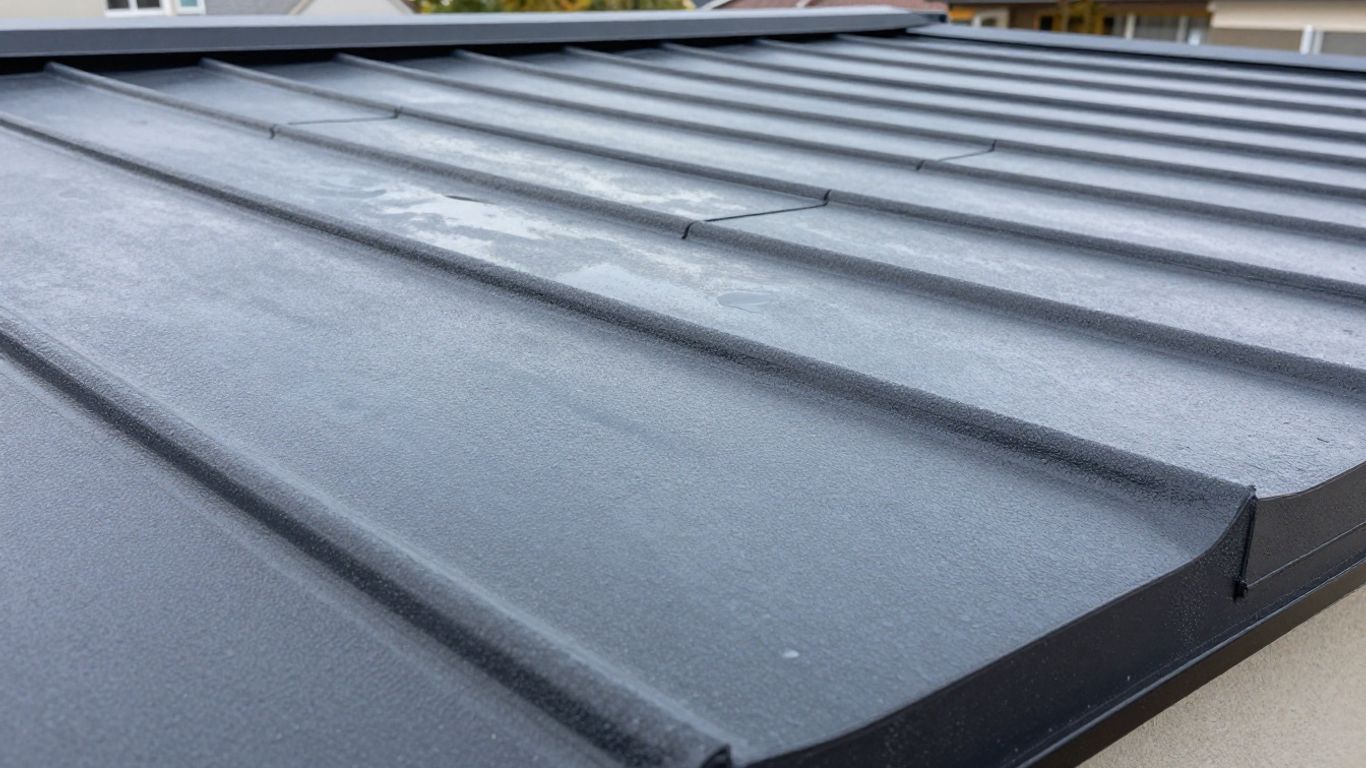
GRP, or glass-reinforced plastic, is a popular choice for flat roofs, and for good reason. It’s essentially a strong, fibreglass matting bonded together with a liquid resin. Once the resin cures, it forms a solid, seamless, and incredibly tough surface. This makes it a really robust option for keeping the Devon weather at bay.
It’s known for being lightweight yet exceptionally strong, and it’s completely waterproof. Plus, it doesn’t tend to get mossy, which is a nice bonus. It can handle pretty much anything the elements throw at it, from driving rain to strong winds and harsh UV rays. It’s also quite flexible, meaning it can be moulded to fit all sorts of awkward roof shapes and structures, which is handy for older properties.
Installation
Putting GRP down isn’t quite as simple as just rolling out some felt. It involves applying layers: first the resin, then the fibreglass mat, followed by more resin, and finally a protective topcoat. This process needs to be done when it’s completely dry, which can be a bit of a challenge here in Devon sometimes!
Pros and Cons
- Pros:
- Very strong and durable
- Completely waterproof
- Aesthetically pleasing finish, often available in different colours
- Resistant to moss growth
- Can be shaped to fit complex roof designs
- Cons:
- Can be more expensive upfront than some other options
- Requires professional installation for best results
- Needs dry weather for application
- Can be prone to cracking if the underlying structure moves significantly
While GRP is a fantastic, long-lasting material, it’s worth noting that repairs can sometimes be a bit fiddly. If you do get a small issue, you’ll likely need a specific GRP repair kit to sort it out properly.
2. Torch-On Felt
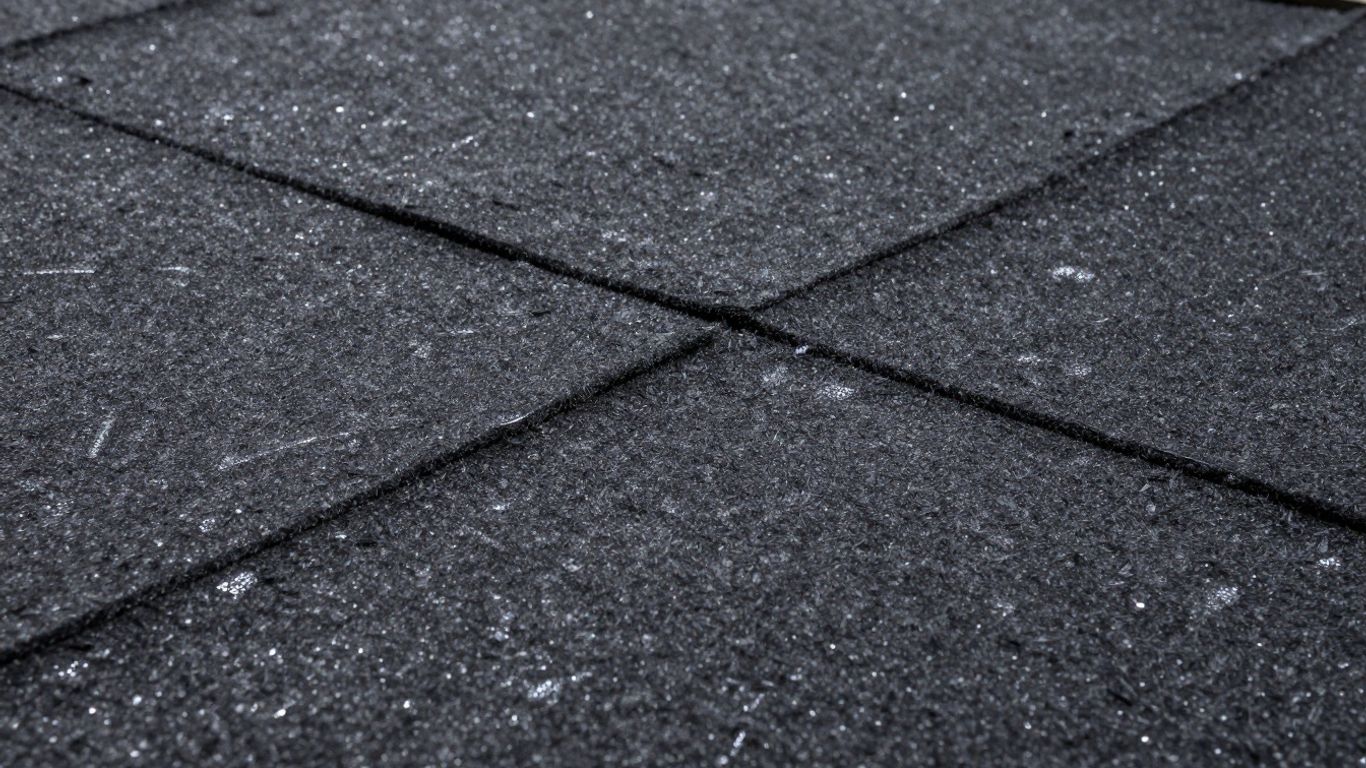
Torch-on felt is a popular choice for flat roofs, and for good reason. It’s made by melting layers of bitumen-infused felt onto the roof surface using a blowtorch. This process creates a really strong, watertight seal that’s pretty much impenetrable.
It’s not just about being waterproof, though. This type of felt is built to last, often coming with a guarantee of around 25 years. It stands up well to the unpredictable British weather, resisting strong winds and UV light. Plus, it doesn’t need much looking after once it’s on.
When it comes to installation, it’s a bit of a specialist job. Because it involves using a naked flame, it’s best left to experienced roofers. They know how to get it right, ensuring a reliable finish.
Here’s a quick rundown of what makes it a solid option:
- Excellent Waterproofing: Creates a seamless, watertight barrier.
- Durability: Designed to withstand harsh weather conditions.
- Longevity: Typically offers a lifespan of 15-25 years.
- Low Maintenance: Once installed, it requires minimal upkeep.
While it might cost a bit more upfront compared to some other felt options, the extended lifespan and robust performance often make it a worthwhile investment for your Devon home. It’s a reliable way to keep your flat roof protected for years to come.
3. EPDM Rubber
EPDM, which stands for ethylene propylene diene monomer, is a synthetic rubber material that’s become a really popular choice for flat roofs, especially around here in Devon. It’s basically a big, single-ply sheet that gets rolled out and stuck down. Think of it like a really tough, flexible rubber mat for your roof.
One of the best things about EPDM is its flexibility. It can stretch quite a bit – we’re talking over 300% – and then snap back to its original size. This is brilliant for dealing with the weather changes we get, as it means the roof can expand and contract without cracking or splitting. It’s also really good at handling uneven roof structures, pipes, or skylights because it can just mould around them.
EPDM roofs are known for lasting a good long time, often between 25 to 50 years. This longevity is partly down to the fact that it’s a single sheet, meaning there are no seams for water to sneak through, which is a common weak spot in other roofing types. It’s also completely waterproof and doesn’t get bothered by the sun, so you don’t have to worry about it blistering or rotting like some older materials.
Here’s a quick look at some of its key features:
- Durability: It’s tough stuff, resistant to tears and punctures. It can even handle being walked on if needed, though it’s best to be careful.
- Weather Resistance: Unfazed by UV rays, extreme temperatures, and saltwater.
- Installation: Generally a straightforward process, often done with adhesives, meaning no open flames are needed, which is a big safety plus.
- Breathability: While it keeps water out, it can allow moisture vapour to escape from the roof space, helping to prevent damp issues.
While EPDM is a fantastic option, especially for its durability and low maintenance, it’s worth noting that the installation needs to be spot on. Getting it wrong can lead to problems down the line, so it’s usually best left to the professionals, even though DIY kits are available. It might also be a bit pricier upfront compared to some felt options, but the long lifespan usually makes it a good investment.
It’s a really solid, no-nonsense roofing material that holds up well against the elements, making it a strong contender for any flat roof project in Devon.
4. Roofing Felt
Roofing felt has been a go-to for flat roofs for ages, and it’s easy to see why. It’s generally made from a mix of bitumen and a fibrous material, often polyester because it’s tough to tear and handles the natural movement of a roof pretty well. This combination makes it a reliable choice that usually lasts a good while.
The main advantage of traditional roofing felt is its affordability and ease of installation. It’s a budget-friendly option, both for the initial purchase and for any repairs down the line. You can often sort out minor issues with some weatherproof paint or sealant, keeping costs low. Plus, it’s quite straightforward to work with, making it a popular choice for DIY enthusiasts tackling projects like garages or sheds.
However, it’s not invincible. Sunlight is its biggest enemy, as it can dry out the oils in the felt, making it brittle. Extreme cold can also cause problems. To combat this, a protective top layer is usually added. This could be anything from lead flashings to solar-reflective paint, but a mineralised cap sheet is a popular choice for a low-maintenance finish.
When it comes to lifespan, you’re generally looking at somewhere between 10 to 30 years, depending on the type and how well it’s maintained. Some types, like Number 30 felt, are thicker and better suited for flat roofs where water might sit longer, offering more protection than the thinner Number 15 felt which is better for steeper pitches.
While felt is a solid, cost-effective choice, it’s worth remembering that newer materials like GRP and EPDM rubber roofing often offer longer lifespans and potentially better performance, though they usually come with a higher initial cost.
5. Number 30 Felt
When you’re looking at traditional flat roofing materials, you’ll often come across ‘Number 30’ felt. This isn’t just a random number; it actually refers to the weight of the felt per roll, usually around 30kg. This thicker felt offers better durability and protection compared to its lighter counterpart, Number 15. It’s generally considered a more robust option for flat roofs where water might sit for longer periods.
Number 30 felt is made from a bitumen-based material, often reinforced with fibreglass or polyester for added strength. It’s designed to be tough and resist the elements, providing a watertight seal. While it’s a common choice, it’s worth noting that its thickness does add a bit more weight to your roof structure.
Here’s a quick look at why it’s a popular choice:
- Increased Thickness: Offers better resistance to wear and tear.
- Enhanced Protection: Provides a more substantial barrier against water ingress.
- Durability: Generally lasts longer than thinner felt options when properly installed and maintained.
When it comes to installation, it’s similar to other felt types. You’ll need to prepare the roof surface thoroughly, ensuring it’s clean and any damaged timber is replaced. Then, the felt is typically laid out and adhered, often using hot bitumen or a torch-on method, with careful attention paid to overlaps to create a continuous waterproof layer. For those in Devon, finding experienced roofers who know how to properly install these traditional materials is key to a long-lasting roof. Pete Nicholls Roofing, for example, has a lot of experience with these systems across Devon and Cornwall.
While Number 30 felt is a solid, traditional choice, it’s important to remember that even the best felt roofs have a lifespan. Regular checks for issues like bubbling, cracking, or ponding water are a good idea to catch problems early and avoid more significant repairs down the line.
6. Number 15 Felt
Right then, let’s talk about Number 15 felt. You’ll often hear this mentioned alongside Number 30, and the main difference really boils down to thickness. Think of Number 15 as the lighter-duty option. It’s generally a bit thinner than its Number 30 counterpart.
This makes it a decent choice for roofs with a bit of a pitch, where water tends to run off pretty quickly. Because it’s lighter, it puts less strain on the roof structure, which can be a consideration. It’s not usually the first pick for completely flat roofs where water might sit for longer periods, but for slightly sloped surfaces, it does a job.
When you’re looking at felt options, it’s good to know what you’re getting into. Number 15 felt is typically made from a base material, often fibreglass or polyester, which is then saturated with bitumen. The ‘number’ refers to the weight per roll, so Number 15 is lighter than Number 30. It’s a pretty standard material, and you’ll find it’s quite common for certain applications.
Here’s a quick rundown:
- Thickness: Thinner than Number 30 felt.
- Weight: Lighter, putting less stress on the roof structure.
- Best Use: Suitable for roofs with a slight slope where water drainage is good.
- Consideration: Might not be the best for completely flat roofs where water can pool.
It’s a budget-friendly option, and for the right job, it can be perfectly adequate. Just make sure you’re fitting it correctly, paying attention to overlaps and ensuring the surface underneath is sound. A bit of care goes a long way with any roofing material, really.
7. Self-Adhesive Felt
If you’re a bit of a DIY enthusiast, or just fancy tackling a roofing job yourself, then self-adhesive felt is definitely worth a look. It’s a much simpler way to get a waterproof finish on your flat roof without needing any fancy equipment or, more importantly, naked flames. You just peel off the backing film and stick it down. Easy peasy.
This makes it a really good choice for smaller jobs, like your average flat roof on a house extension, a garage, or even a garden shed. It’s pretty cost-effective too, and when it’s on properly, it creates a tough, durable surface that should keep the rain out for a good while. It’s a practical, no-fuss option for homeowners wanting a reliable flat roof solution.
Here’s a quick rundown of why it’s a popular choice:
- Ease of Installation: No torches or complicated bonding processes needed. Just peel and stick.
- DIY Friendly: Perfect for those who want to save on labour costs and get hands-on.
- Cost-Effective: Generally cheaper than other methods, especially when you factor in professional installation.
- Good Durability: Offers a solid, waterproof barrier against the elements.
While it’s great for DIY, it’s still important to prepare the roof surface properly beforehand. Make sure it’s clean, dry, and any old material is removed. This ensures the adhesive bonds well and you get the best possible finish. For a truly weatherproof result, proper application is key.
8. Shed Felt
When you think about flat roofs, you might immediately picture houses or garages, but what about those smaller outbuildings like garden sheds? That’s where shed felt comes in. It’s basically a lighter-duty version of roofing felt, specifically designed to keep your shed or summerhouse dry and protected from the elements.
It’s a really cost-effective and straightforward option, making it a popular choice for DIYers. You can usually get it in rolls, and it’s applied using either a cold adhesive or, in some cases, a self-adhesive backing. Unlike the heavier felt used on homes, shed felt is generally thinner and might not last quite as long, but for a shed, it does the job perfectly well.
Here’s a quick rundown of what to expect:
- Purpose: Primarily for garden sheds, summerhouses, and other small outbuildings.
- Installation: Often DIY-friendly, using cold adhesive and nails, or self-adhesive versions.
- Lifespan: Typically shorter than premium felt, often around 10-15 years, depending on quality and maintenance.
- Appearance: Available in various colours, often with a mineral finish, to look a bit nicer in the garden.
When you’re fitting it, remember that felt can expand and contract with temperature changes. So, don’t go overboard with the adhesive; give it a bit of room to move. This helps prevent it from cracking later on, especially during those cold Devon winters. It’s not the most high-tech solution out there, but for keeping your garden tools dry, it’s a solid performer.
9. Mineral Felt
Mineral felt is a type of roofing felt that’s become quite popular for flat roofs, and it’s easy to see why. It’s basically a modified bitumen felt, but with a key difference: it has a layer of mineral granules on the top surface. This isn’t just for looks, though it does give it a rather smart, often grey or green, finish that can blend in nicely with surroundings.
The main advantage of this mineral layer is protection. It acts like a shield, guarding the bitumen underneath from the sun’s harsh UV rays. You know how the sun can make plastics brittle over time? Well, it does something similar to the oils in bitumen. The mineral granules help prevent this, stopping the felt from drying out and becoming cracked and brittle. This means it tends to last longer than plain felt, often giving you a good 15-20 years of service, sometimes even more if it’s well looked after.
It’s also pretty tough. The combination of a strong polyester or fibreglass base, the bitumen, and that protective mineral top coat makes it quite resistant to tears and general wear and tear. This makes it a solid choice for flat roofs, where water can sit for a while, as it’s less likely to let moisture seep through.
When it comes to installation, it’s usually applied using a torch-on method, which melts the bitumen to create a strong bond. This means you’ll likely want a professional roofer for this job, as it involves working with heat.
Here’s a quick rundown of why people choose it:
- UV Protection: The mineral layer significantly reduces damage from sunlight.
- Durability: It’s more robust than standard felt, resisting tears and punctures.
- Aesthetics: Offers a more attractive finish than plain black felt.
- Longevity: Generally lasts longer due to the added protection.
While it’s a step up from basic felt, it’s still a more budget-friendly option compared to some of the more modern flat roofing materials like GRP or EPDM. It strikes a good balance between cost, performance, and appearance for many homeowners.
10. Polyester Felt
Polyester felt is a bit of a workhorse when it comes to flat roofing, especially in places like Devon where the weather can be a bit unpredictable. It’s basically a type of roofing felt that uses a polyester base instead of a fibreglass one. This makes it really tough and hard to tear, which is a big plus for any roof that has to deal with the usual expansion and contraction that happens with temperature changes.
When you look at what makes up modern roofing felt, you’ll often find it’s a mix of modified bitumen and either fibreglass or polyester. Polyester tends to be the preferred choice because it’s just so much more resistant to ripping. This, combined with the bitumen, creates a really solid and dependable roofing material that should last a good while.
However, like most felt roofing, it still needs a bit of extra protection from the elements. The sun can be a real problem, drying out the oils and making the felt brittle over time. Extreme cold isn’t great either. To sort this out, you usually add a final protective layer. A mineralised cap sheet is a popular choice for this, giving you a finish that looks good and doesn’t need much looking after.
So, why choose polyester felt?
- Durability: It’s incredibly strong and resistant to tearing, making it ideal for roofs that experience movement.
- Longevity: When properly installed and protected, it offers a good lifespan, often lasting between 15-20 years or even more.
- Cost-Effectiveness: Compared to some other flat roofing options, it’s a more budget-friendly choice.
- Ease of Installation: While professional installation is always recommended for the best results, it’s generally easier to work with than some alternatives.
While polyester felt offers a robust and cost-effective solution for flat roofs, remember that its performance is significantly boosted by a good quality top coat or cap sheet to shield it from UV rays and extreme temperatures. This extra layer is key to maximising its lifespan and keeping your Devon home protected.
Polyester felt is a common material used in roofing. It’s known for being tough and good at keeping water out. While it’s a reliable choice for many projects, there are other options available that might suit your needs even better. If you’re looking for the best roofing solutions for your home, why not explore Pete Nicholls Roofing’s services on our website?
So, Which Flat Roof is Right for Your Devon Home?
Right then, we’ve had a good look at GRP fibreglass and traditional felt for your flat roof needs here in Devon. Felt’s been around forever, it’s cheap and cheerful, and you can usually slap it on yourself if you’re feeling brave. But, let’s be honest, it doesn’t always last the longest, especially with our unpredictable weather. GRP, on the other hand, is a bit more of an investment upfront, but it’s tough as old boots. It stands up to the rain, the sun, and everything else the South West throws at it, and it looks pretty smart too. For a long-lasting, low-maintenance job that’ll see you through the years, GRP is probably the way to go for most folks. But if you’re on a tight budget or just need something quick for a shed, felt still has its place. Ultimately, it’s about weighing up what matters most to you – cost, how long you want it to last, and how much hassle you’re willing to put up with. Getting a quote from a local expert is always a good shout, mind you, just to make sure you’re making the best choice for your specific house.
Frequently Asked Questions
Which flat roof material is best for Devon’s weather?
Devon can experience a range of weather, from heavy rain to strong winds. Both GRP fibreglass and EPDM rubber roofing are excellent choices because they are very tough and waterproof. Traditional felt can also work, but it might need more upkeep over time compared to the newer materials.
How long do these flat roof options usually last?
GRP fibreglass roofs are known to last a really long time, often 25 to 30 years or even more if they’re looked after. EPDM rubber roofs can also last for a very impressive 50 years. Traditional felt roofs generally have a shorter life, usually around 15 to 20 years, though some types can last a bit longer.
Is GRP fibreglass or felt cheaper for a flat roof?
Generally, traditional felt is the most budget-friendly option when you first get it put on. However, GRP fibreglass, while costing more upfront, often works out cheaper in the long run because it lasts much longer and needs fewer repairs. EPDM rubber is somewhere in the middle price-wise.
Can I install a flat roof myself, or do I need a professional?
For simple projects like a shed roof, some types of felt, like self-adhesive felt, can be easier for DIY. However, for main house roofs, especially with GRP fibreglass or EPDM rubber, it’s usually best to hire a professional. They have the right tools and know-how to make sure the roof is installed correctly and will last.
What happens if my flat roof gets damaged?
Minor damage, like small holes or tears, can often be fixed quite easily with repair kits for EPDM rubber or GRP fibreglass. Felt roofs can also be repaired, but sometimes they might need more frequent attention to keep them in good shape. It’s always a good idea to get any damage looked at quickly.
Do these flat roof materials look good?
GRP fibreglass roofs offer a really smooth, clean finish and can even come in different colours, which many people find very attractive. EPDM rubber roofs can look a bit like a large rubber sheet, but they are very practical. Traditional felt also gives a neat appearance and is a tried-and-tested option.